










Why You’re Still Tired (Even If You Drink Coffee All Day)
Drinking coffee all day but still feeling tired? Here's why: caffeine blocks the chemical that makes you feel sleepy (adenosine), but it doesn’t stop your body from producing it. Once the caffeine wears off, all that built-up adenosine rushes in, causing you to crash. Over time, your body adapts by creating more adenosine receptors, making you need more and more caffeine just to feel normal.
But coffee isn’t the root of your fatigue. Common causes include:
- Poor sleep quality (sleep apnea, insomnia, or oversleeping).
- Nutrient deficiencies (iron, B12, magnesium, or vitamin D).
- Dehydration (coffee is a diuretic, and too much can leave you dehydrated).
- Chronic stress and lifestyle habits (like inactivity or irregular schedules).
To regain energy, reduce caffeine gradually, stay hydrated, eat balanced meals, and focus on improving sleep. If fatigue persists, consult a doctor to rule out underlying issues like anemia, thyroid problems, or sleep disorders.
How Caffeine Affects Your Energy
When your body processes energy daily, it releases a compound called adenosine. As adenosine builds up, it creates a "sleep pressure", signaling your brain that it's time to rest. Caffeine steps in by mimicking adenosine and blocking its receptors, preventing that tired feeling from setting in. But here's the catch - caffeine doesn't actually generate energy. Instead, it tricks your brain. Health researcher and coach Valeria Aberle puts it perfectly:
"Caffeine doesn't create energy. It simply mutes your brain's ability to feel exhaustion".
This clever interference is why caffeine can make you feel alert, but it also sets off a chain reaction in your body.
Adenosine Receptors and Caffeine Tolerance
Blocking adenosine receptors gives you that temporary energy boost, but your brain isn't so easily fooled in the long run. Even though caffeine delays the effects of adenosine, it doesn't stop your body from producing it. Once caffeine wears off - usually after about 5 hours, though this can vary from 1.5 to 9.5 hours depending on the person - the accumulated adenosine rushes back in, often causing a noticeable crash.
With regular caffeine use, your brain adapts by increasing the number of adenosine receptors. This means you may need more caffeine over time to achieve the same alertness. Dependence can start in as little as three days with doses as low as 100 mg per day. Essentially, your body starts requiring caffeine just to feel "normal."
Short-Term Energy Boost vs. Long-Term Fatigue
Caffeine's ability to temporarily sharpen focus and alertness comes from its role in releasing dopamine and norepinephrine. However, this effect doesn't last. Over time, regular caffeine use can lead to dependency rather than genuine energy enhancement. As Gavin Van De Walle, MS, RD, explains:
"In regular caffeine consumers, the increase in mental alertness and performance that's often reported is more related to a reversal of the symptoms of caffeine withdrawal rather than an enhancement above their normal state".
So, that morning cup of coffee might not be giving you a real energy boost - it could just be alleviating withdrawal symptoms. To reset your system, it typically takes 7–14 days for adenosine receptor levels to return to their natural state. This explains why cutting back on caffeine can feel so challenging.
sbb-itb-7567710
Hidden Causes of Fatigue
Feeling drained even after a few cups of coffee? The problem might not be your caffeine habit. Instead, your body could be trying to tell you something deeper is going on - issues that coffee can only cover up temporarily.
Poor Sleep Quality and Sleep Disorders
Spending seven to nine hours in bed doesn’t always mean you’re getting quality sleep. Conditions like sleep apnea can cause repeated interruptions throughout the night, often without you realizing it. Sleep medicine expert Alicia Roth, PhD, explains:
"Sleep apnea is a condition where you either stop breathing or don't breathe as well as you could while you sleep. This can lead to a lot of awakenings in the middle of the night that you may not even be aware of".
Other sleep disruptors include insomnia, restless legs syndrome, and even external factors like noise, light, or alcohol. Interestingly, oversleeping - consistently getting more than nine hours of sleep - can also leave you feeling groggy. If you’re logging plenty of sleep but still feel foggy, it might be time to talk to your doctor about a sleep study or blood tests to rule out issues such as thyroid dysfunction or iron deficiency.
Sleep is just one piece of the puzzle. Your energy levels also depend heavily on proper nutrition.
Nutritional Deficiencies and Dehydration
Your body needs the right nutrients to keep energy levels up, and coffee can’t fill that gap. For example, iron deficiency affects your red blood cells’ ability to carry oxygen, often leaving you feeling tired and even short of breath. An estimated 3 million Americans are affected by anemia.
Other key nutrients, like B-vitamins (especially B12 and folate) and magnesium, are essential for converting food into energy. Shockingly, about 20% of Americans have low B12 levels, and over 40% are deficient in vitamin D. Even mild dehydration can lead to concentration problems and headaches. Dr. Jared Ankerman from Cleveland Clinic highlights:
"Having a vitamin deficiency can cause issues with fatigue".
If you’re constantly fatigued despite adequate sleep, it’s worth asking your doctor for a nutrient panel to check levels of iron (ferritin), vitamin D, B12, and magnesium.
Stress and Poor Lifestyle Habits
Stress and lifestyle choices can also take a toll on your energy. Chronic stress doesn’t just drain you mentally - it can lead to physical changes and inflammation that worsen fatigue. Stress and anxiety can also make your brain hypervigilant at night, disrupting the natural process of falling asleep. As Alicia Roth, PhD, explains:
"Even run-of-the-mill stress and anxiety can make our brains more hypervigilant at night. That can prevent the automatic process of falling asleep from happening".
A sedentary lifestyle can add to the problem. Surprisingly, sitting around all day can leave you feeling more tired, while regular physical activity helps combat fatigue. Excess weight increases the risk of conditions like obstructive sleep apnea, and habits like heavy drinking or irregular work hours can disrupt your body’s natural sleep-wake cycles. If making healthier lifestyle changes doesn’t help, it may be time to dig deeper and address underlying causes that caffeine simply can’t fix.
Why Coffee Alone Doesn't Work
Coffee might give you a quick energy boost, but it doesn't tackle the root causes of fatigue. Issues like poor sleep, nutrient deficiencies, and stress often remain hidden behind that cup of joe. To truly combat exhaustion, it's important to address these underlying problems directly.
How Caffeine Causes Dehydration
Caffeine acts as a natural diuretic, encouraging your kidneys to flush out extra salt and water through urine. While a single cup of coffee is mostly water - over 95% - the trouble begins when you consume several cups throughout the day. Beth Czerwony, RD, LD, from Cleveland Clinic, explains:
"Coffee itself is not what's going to dehydrate you - it's about having a caffeine overload".
Dehydration can lead to fatigue, as well as headaches, dizziness, and confusion. Drinking more coffee to combat fatigue can actually worsen dehydration. The FDA advises healthy adults to limit caffeine intake to 400 milligrams daily, which equals about four 8-ounce cups of coffee. Exceeding this amount forces your kidneys to work harder to maintain fluid balance.
Fortunately, rehydration begins quickly - usually within 15 to 20 minutes. To counteract dehydration, try alternating each cup of coffee with a glass of water. But dehydration isn't the only issue. Coffee also has a way of masking more serious medical conditions.
Caffeine Masks Symptoms of Medical Conditions
The truth is, caffeine doesn't actually produce energy - it just blocks the signals that tell your body it's tired. This can be problematic if you're dealing with underlying health issues like thyroid problems, anemia, or sleep apnea. Instead of addressing the root cause, coffee simply hides the symptoms, delaying proper diagnosis and treatment.
Dr. Yoshinori Abe, MD, an expert in Internal Medicine, highlights this point:
"Caffeine does not fix: Sleep deprivation, Hormonal imbalance, Chronic illness, Nervous system dysfunction, Mitochondrial (cellular energy) problems. It simply masks fatigue signals for a short time".
For example, low ferritin levels (below 50–100 ng/mL) can cause persistent fatigue and brain fog, even if your hemoglobin levels seem normal. Similarly, Vitamin D levels under 30 ng/mL are often linked to chronic tiredness. If you rely on caffeine to power through your day, you might not notice these underlying issues until they become severe.
Caffeine can also overstimulate a dysregulated nervous system. For individuals with conditions like POTS or Long COVID, coffee often triggers symptoms like shakiness and heart palpitations rather than providing genuine energy. Feeling "wired but tired" after coffee is a clear signal that your body is struggling.
If you're consistently fatigued despite getting enough sleep and drinking coffee, it might be time to consult your doctor. Request targeted lab tests, such as a full thyroid panel, ferritin, Vitamin B12, Folate, and Vitamin D levels, to identify what’s truly causing your exhaustion. Addressing these issues head-on is key to feeling better.
Practical Solutions for Lasting Energy
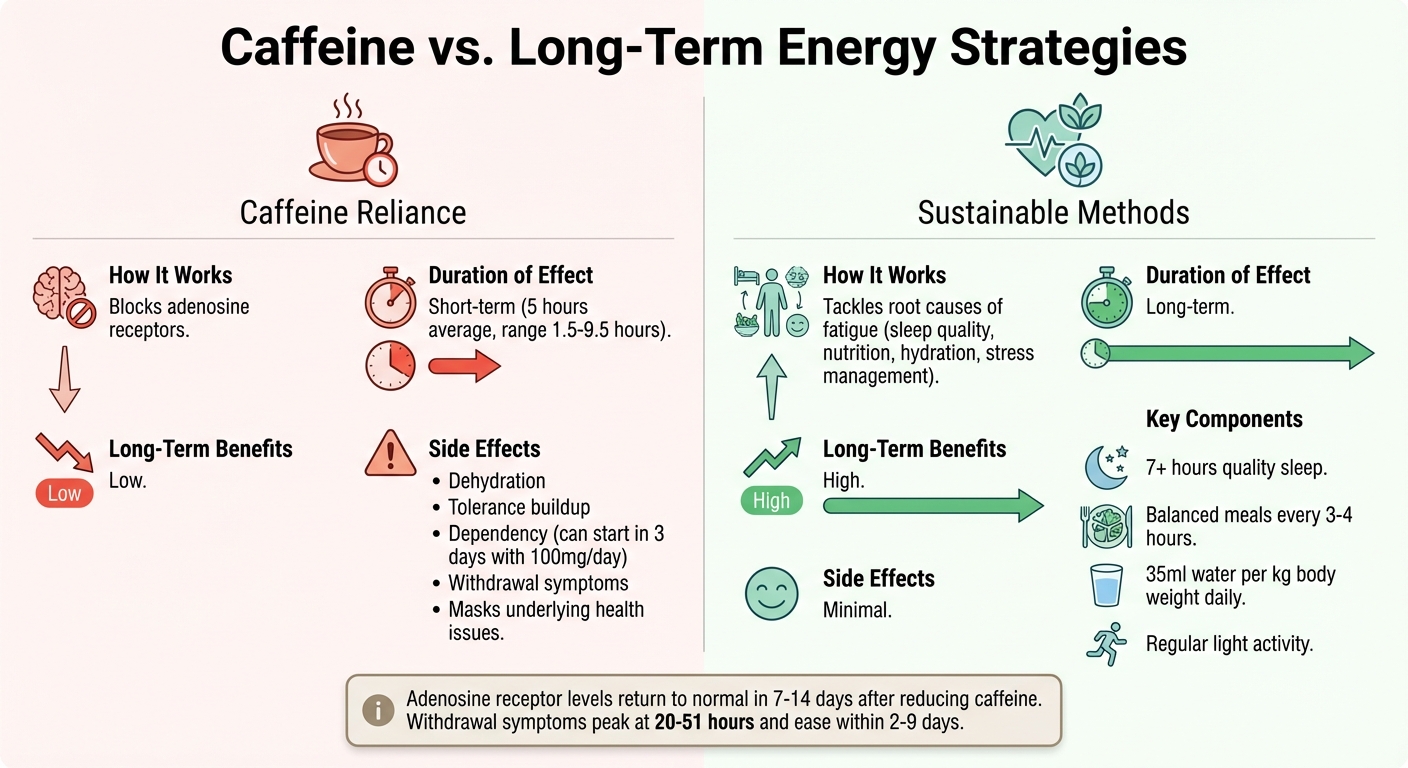
Caffeine vs Sustainable Energy: Long-Term Effects Comparison
Breaking free from caffeine dependency requires a thoughtful plan, but the rewards are well worth the effort. The secret lies in tackling the underlying causes of fatigue while weaning yourself off stimulants. Here’s how to maintain steady energy without relying on that afternoon pick-me-up.
Reduce Caffeine Gradually and Stay Hydrated
Quitting caffeine cold turkey can leave you battling withdrawal symptoms. Regular caffeine use increases adenosine receptors in your brain, so cutting it out abruptly can overwhelm your system with fatigue signals. A smarter approach? Reduce your daily caffeine intake by 25% every 3–4 days. For instance, if you’re drinking four cups a day, cut back by one cup every few days.
To ease the transition, swap one caffeinated drink for a decaf or herbal alternative like peppermint or rooibos tea. Green tea is another excellent choice - it has less caffeine and contains L-theanine, which promotes a calmer kind of focus. Also, avoid caffeine after noon or at least 8.8 hours before bedtime to protect your sleep.
Hydration is key during this process. Aim for about 35 ml of water per kilogram of body weight daily. For a 150-pound person (about 68 kg), that’s roughly 80 ounces, or around 10 cups, spread throughout the day. Withdrawal symptoms typically peak between 20 and 51 hours after your last caffeine dose, with physical discomfort often easing within 2 to 9 days. If headaches strike during the first 72 hours, try cold therapy or ibuprofen for relief.
Once you’ve scaled back caffeine, it’s time to focus on fueling your body for lasting energy.
Improve Your Nutrition for Better Energy
Eating balanced meals every 3–4 hours can help stabilize blood sugar and prevent energy dips. Each meal should include a mix of lean proteins (like eggs, Greek yogurt, or chicken), healthy fats, and complex carbs (such as quinoa, sweet potatoes, or whole grains).
Iron and B vitamins are essential for energy production. Anemia, which affects about 3 million Americans, is a common cause of persistent fatigue. If you’re feeling drained, consider reviewing your diet and asking your doctor for a nutrient panel to identify any deficiencies. In the meantime, incorporate foods like leafy greens, lean meats, lentils, nuts, seeds, and eggs to boost your nutrient intake.
For extra support, you might try EPIC Greens ($33.74) to fill common nutrient gaps that can contribute to low energy. This supplement promotes overall health and immunity. Pair it with EPIC Multi for broader coverage, and trade sugary, processed snacks for more nutrient-rich options.
Lifestyle Changes for Better Recovery
Quality sleep is a game-changer for energy levels. Keep your bedroom cool, dark, and quiet, and avoid screens in bed to help your brain associate the space with rest. Steer clear of alcohol at least two hours before bedtime to avoid disrupted sleep. If you need a quick recharge during the day, limit naps to 15–20 minutes between 1:00 PM and 3:00 PM to avoid interfering with nighttime sleep.
Dr. Gena Lenti offers this advice:
"I tell people if you're going to nap, avoid long naps at the end of the day so that you're sleepy enough to go to bed when it's actually bedtime."
In addition to improving sleep, light physical activity can work wonders. A short walk or some gentle stretching after lunch can help regulate blood sugar and boost alertness. Even brief social interactions can lift your energy, while too much isolation might leave you feeling more drained. If these changes don’t make a noticeable difference within a few weeks, it’s worth consulting your doctor to check for conditions like sleep apnea, hypothyroidism, or depression.
Caffeine vs. Long-Term Energy Strategies
Caffeine offers a quick energy boost, but it doesn’t address the root causes of fatigue. Sustainable strategies, on the other hand, help your body generate energy naturally. Here’s a quick comparison:
| Approach | How It Works | Duration of Effect | Long-Term Benefits | Side Effects |
|---|---|---|---|---|
| Caffeine Reliance | Blocks adenosine receptors | Short-term | Low | Dehydration, tolerance |
| Sustainable Methods | Tackles root causes of fatigue | Long-term | High | Minimal |
Conclusion
If you're constantly relying on coffee but still feeling drained, it's a sign that caffeine isn't the fix you need. As Dr. Yoshinori Abe explains:
"Caffeine doesn't create energy. It blocks a brain chemical called adenosine, which normally makes you feel sleepy".
This means your body might be pointing to deeper concerns, like poor sleep habits, nutrient deficiencies (such as low iron or vitamin D), chronic stress, or even underlying health issues. Simply upping your caffeine intake won't solve these problems. Instead, focusing on improving sleep quality and balancing nutrients is key to breaking out of the fatigue loop.
To truly escape the caffeine cycle, start by gradually cutting back on coffee. Pair this with staying hydrated, eating a balanced diet, and prioritizing at least 7 hours of quality sleep every night. These lifestyle changes lay the groundwork for better energy management. For additional support, products like EPIC Greens ($33.74) can help fill nutritional gaps, while CODEX Nootropic ($35.99) provides a boost in focus and mental clarity - without the crash that caffeine often brings.
Real energy comes from treating your body right. By addressing the root causes of your fatigue, you can finally reclaim your energy and leave the caffeine rollercoaster behind.
FAQs
How can I tell if my tiredness is caffeine withdrawal or a real health issue?
When you cut back on or stop your regular caffeine intake, you might notice symptoms like headaches, fatigue, drowsiness, irritability, or shifts in mood. These are common signs of caffeine withdrawal. However, if you’re dealing with prolonged fatigue paired with issues like unexpected weight changes or ongoing mood problems, it could point to a deeper health concern. If these symptoms stick around or seem more severe than typical withdrawal effects, it’s a good idea to reach out to a healthcare provider. They can help figure out what’s going on and guide you toward the right treatment.
What blood tests should I ask my doctor for if I’m always exhausted?
When you're feeling persistently tired, it’s a good idea to talk to your doctor about running some blood tests. Ask them to check for nutrient deficiencies, including iron, vitamin B12, vitamin D, and magnesium. You might also want to request tests to evaluate your thyroid, liver, and kidney function, as these can help pinpoint or rule out other potential causes of fatigue. Identifying any underlying issues, like chronic fatigue syndrome or related conditions, can guide you toward the right treatment.
What’s the easiest way to cut back on coffee without getting headaches?
Reducing your coffee intake without triggering headaches is all about taking it slow. The best approach? Gradually cut back over 4 to 6 weeks. For example, if you’re used to drinking 4 cups a day, try scaling down to 3 cups, then 2, and so on. Experts suggest reducing your caffeine consumption by roughly 25% each week. This steady adjustment gives your body time to adapt and helps prevent unpleasant withdrawal symptoms like headaches and fatigue.
Latest Posts

How Ashwagandha Supports Testosterone Levels

10 Best Natural Pre-Workout Ingredients

Best Electrolyte Supplements for Fitness Goals

Best Nootropics for Productivity in 2026

Top 5 Sleep Hygiene Practices for Athletes

5 Best Pre-Workouts for Pump

The 30-Minute Body That Beats the 2-Hour One
Short, high-intensity 30-minute workouts can deliver equal or better cardio, strength, and fat-loss results than long sessions.

Checklist for Choosing Clean Label Certified Supplements
Checklist to verify certifications, ingredient transparency, batch COAs, GMP compliance, and bioavailable forms in clean-label supplements.