






Ultimate Guide to Supplements for Cardio Endurance
Want to boost your cardio endurance? Supplements like beetroot juice, beta-alanine, caffeine, and CoQ10 can help. They improve oxygen delivery, delay fatigue, and increase energy production. Here's a quick breakdown:
- Beetroot Juice: Lowers oxygen cost of exercise; take 2–3 hours before workouts.
- Beta-Alanine: Buffers lactic acid; requires daily use for 4–12 weeks.
- Caffeine: Reduces fatigue perception; take 30–60 minutes before exercise.
- CoQ10: Enhances energy production; take daily in lipid-based forms.
While these supplements can support your training, they’re not a replacement for proper nutrition, consistent exercise, and good sleep. Always consult a healthcare provider before starting new supplements.
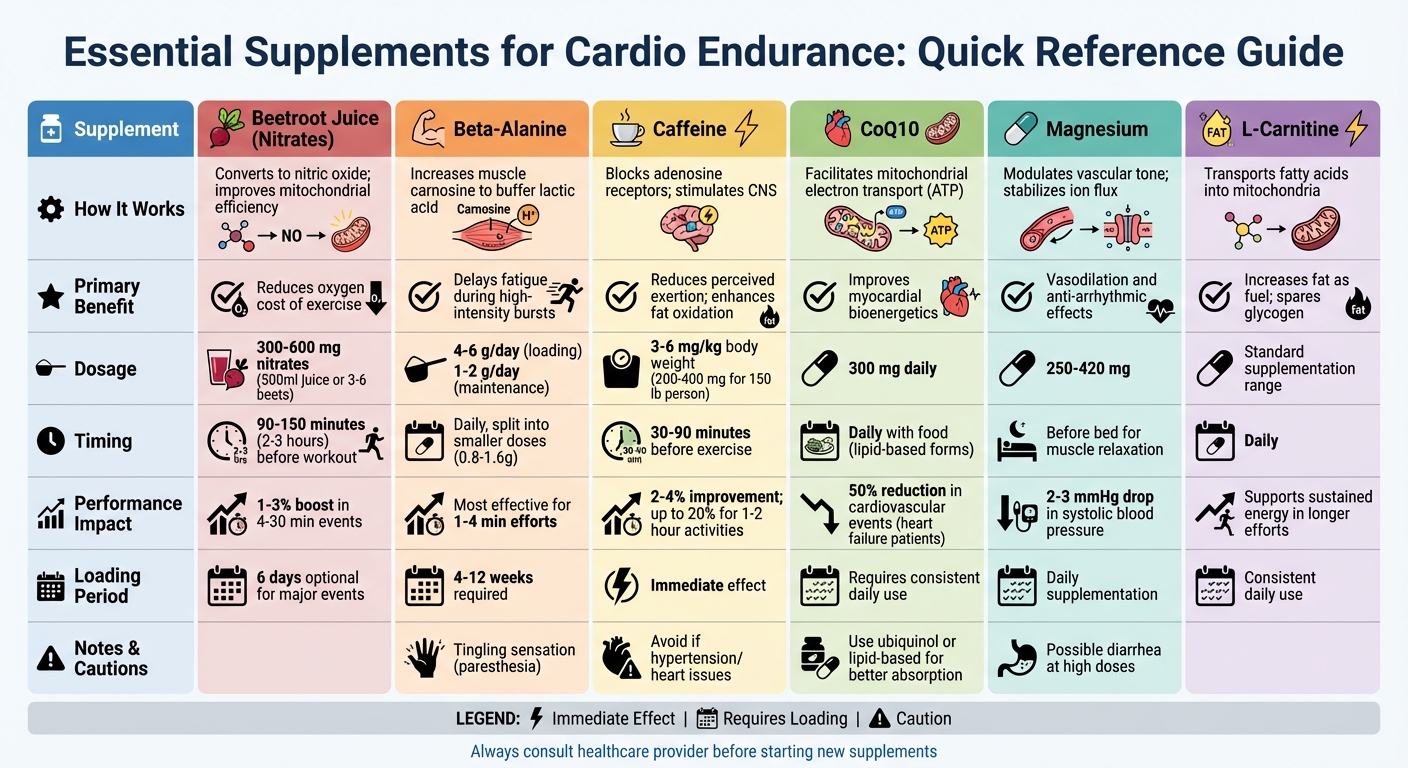
Cardio Endurance Supplements Comparison: Benefits, Dosage, and Timing
Top Supplements for Cardio Performance
Boosting cardio performance often comes down to addressing specific physiological barriers - like improving oxygen delivery, managing lactic acid buildup, or increasing cellular energy. Below, we break down a few supplements that can help you push your endurance and power to the next level.
Beetroot Juice and Nitrates
Beetroot juice taps into the nitrate–nitrite–nitric oxide pathway, which helps widen blood vessels and improves oxygen delivery to muscles. The result? Your body needs less oxygen to maintain the same pace or power.
Research shows that supplementing with nitrates can boost power output by an average of 4.6 watts, extend time to exhaustion by about 25.3 seconds, and allow athletes to cover an extra 163.7 meters in distance-based tests compared to a placebo. Since plasma nitrate levels peak a few hours after consumption, aim to drink beetroot juice 2–3 hours before your workout. Dosages typically range from 1,600–10,000 mg of beetroot powder or nitrates, but be cautious - higher amounts can cause stomach discomfort.
Beta-Alanine
Beta-alanine is a key player in buffering muscle acidity during high-intensity cardio. It works by increasing levels of carnosine, which helps delay fatigue caused by lactic acid buildup. This makes it particularly useful for activities like interval training or tempo runs. Unlike quick-acting stimulants, beta-alanine takes time to build up in your system, so consistency is key. A daily dose of 3.2–6 grams is recommended to maximize its effects.
Other compounds, like L-Taurine, also support cardiovascular performance but through different mechanisms.
L-Taurine
L-Taurine, an amino acid, contributes to heart health by regulating contractions, reducing oxidative stress, and potentially increasing endurance. While it doesn’t have as much research backing as beetroot juice or beta-alanine, it’s often included in pre-workout supplements for its ability to support steady performance during extended cardio sessions. Its combined effects with other ingredients make it a valuable addition for longer workouts.
Caffeine and Pre-Workout Formulas
Caffeine is one of the most well-studied supplements for endurance. It blocks adenosine receptors in the brain, helping you feel less fatigued and reducing the perception of effort during exercise. It also promotes fat oxidation, meaning your body relies more on fat for fuel and saves glycogen for later in your workout. Research suggests caffeine can improve endurance by up to 7%. Effective dosages fall between 3–6 mg per kilogram of body weight, so for a 150-lb (68 kg) individual, that’s about 200–400 mg taken 30–60 minutes before exercise.
Pre-workout blends, such as NutriFitt's KROBAA, combine caffeine with other ingredients like beta-alanine, nitrates, and electrolytes to target multiple performance areas at once. If caffeine sensitivity is a concern, look for formulas that include protein or other components to soften its impact.
Coenzyme Q10 (CoQ10)
CoQ10 is essential for mitochondrial energy production, making it crucial for endurance and heart health. It supports ATP generation, which fuels your muscles during exercise. In the Q-SYMBIO trial, 300 mg of CoQ10 daily reduced major cardiovascular events by 50% in patients with heart failure and improved their functional capacity. While this study focused on clinical populations, the energy-boosting mechanism applies to athletes aiming to enhance their cardiovascular performance. For better absorption, opt for lipid-based or solubilized ubiquinol forms, which are more bioavailable than standard ubiquinone.
Next, we’ll dive into practical tips and dosage guidelines to help you seamlessly incorporate these supplements into your cardio routine.
sbb-itb-7567710
How These Supplements Work: Benefits and Evidence
Let’s break down how these supplements work and the science backing them up. Each one improves cardiovascular performance through specific mechanisms that enhance oxygen use, delay fatigue, or boost energy production.
Beetroot juice is converted into nitric oxide in your body, which helps widen blood vessels and improve how efficiently your mitochondria operate. Beta-alanine, on the other hand, increases carnosine levels in muscles, which helps buffer lactic acid buildup and delays muscle fatigue during exercise.
Caffeine works by blocking adenosine receptors in the brain, reducing pain perception and the feeling of effort. It also promotes fat breakdown for energy. For endurance activities lasting 1–2 hours, it can improve performance by up to 20%. Meanwhile, CoQ10 supports energy production at the mitochondrial level by aiding the electron transport chain, which generates ATP - the energy your muscles rely on. It also acts as an antioxidant, shielding the heart from oxidative stress during intense physical activity.
Other nutrients, like magnesium and L-carnitine, play supportive roles. Magnesium is involved in over 300 enzymatic reactions and helps regulate vascular tone. It competes with calcium in specific pathways, which can lower systolic blood pressure by 2–3 mmHg. L-Carnitine helps transport long-chain fatty acids into mitochondria, where they’re used for energy. This process can increase fat utilization as a fuel source, sparing glycogen stores for later.
When used together, these supplements can complement your training, enhancing cardiovascular endurance. The table below provides a quick overview of their mechanisms, benefits, and research findings.
Supplement Comparison Table
| Supplement | How It Works | Primary Cardio Benefit | Research-Backed Impact |
|---|---|---|---|
| Beetroot Juice (Nitrates) | Converts to nitric oxide; improves mitochondrial efficiency | Reduces oxygen cost of exercise | 1–3% performance boost in 4–30 min events |
| Beta-Alanine | Increases muscle carnosine to buffer hydrogen ions | Delays fatigue during high-intensity bursts | Most effective for 1–4 min efforts; requires 4–12 week loading |
| Caffeine | Blocks adenosine receptors; stimulates CNS | Reduces perceived exertion; enhances fat oxidation | 2–4% performance improvement; up to 20% for 1–2 hour activities |
| CoQ10 | Facilitates mitochondrial electron transport (ATP) | Improves myocardial bioenergetics | 50% reduction in major cardiovascular events in heart failure patients |
| Magnesium | Modulates vascular tone; stabilizes ion flux | Vasodilation and anti-arrhythmic effects | 2–3 mmHg drop in systolic blood pressure |
| L-Carnitine | Transports fatty acids into mitochondria for beta-oxidation | Increases fat as fuel; spares glycogen | Supports sustained energy in longer efforts |
The timing and dosing for these supplements vary. Caffeine and nitrates provide immediate benefits within hours of consumption, while beta-alanine and CoQ10 require consistent daily intake over weeks to reach effective levels in your body.
Dosage Guidelines and Usage Tips
Getting your dosage and timing right can make a big difference when it comes to cardiovascular performance. Each supplement has an optimal range where it delivers benefits without unwanted side effects.
Caffeine is most effective at 3–6 mg per kg of body weight, taken 30–90 minutes before exercise. For instance, a 154-lb (70 kg) athlete would need about 210–420 mg. If you're new to caffeine or sensitive to stimulants, start at a lower dose, around 1.5 mg/kg, to see how your body reacts. Keep in mind that doses above 9 mg/kg usually don’t provide extra benefits and can lead to side effects like jitters or stomach issues. For endurance events like an Ironman, a mid-event "top-up" of 200–300 mg can help maintain performance levels.
Beta-Alanine requires a loading phase of 4–6 grams per day for about four weeks, followed by a maintenance dose of 1–2 grams daily. To minimize the tingling sensation (known as paraesthesia), split your daily intake into smaller doses, such as 0.8–1.6 grams spread throughout the day. The key is consistent daily intake, which is more important than timing.
For Beetroot Juice, aim for 300–600 mg of nitrates, which equals about 500 ml of juice or 3–6 whole beets, consumed 90–150 minutes before exercise. While a single dose can work, loading nitrates for six days leading up to a major event may boost performance even further.
It’s a good idea to test any new supplement during training sessions, not on race day. Start with smaller doses and adjust gradually based on your tolerance and workout demands. This approach helps you get the most out of the supplements while reducing the risk of unwanted side effects. Up next, we’ll look at safety tips to ensure you use these supplements effectively and responsibly.
Safety Considerations and Potential Side Effects
If you're looking to improve your cardio performance with supplements, it's essential to understand the potential risks and side effects that come with them. While these products can help boost your performance, they aren't without drawbacks. For example, caffeine - a staple in many pre-workout supplements - can lead to jitteriness, insomnia, nausea, and an increased heart rate. Some formulas pack as much as 500 mg of caffeine per serving, which is about the same as drinking five cups of coffee. If you're sensitive to stimulants or have a history of hypertension or heart issues, avoid supplements containing synephrine. This ingredient has been linked to chest pain and irregular heart rhythms. A study even found that pre-workout supplements were responsible for 53% of adverse effects reported by male gym-goers. Below, we'll break down the side effects linked to specific supplements and how to manage them.
Beta-alanine, for instance, can cause a tingling sensation (paresthesia) in your hands and feet. Splitting your daily dose into smaller amounts can help reduce this. Citrulline, which improves blood flow, may trigger headaches or migraines in some users; lowering the dosage often alleviates this. Niacin (Vitamin B3) is another example - doses above 500 mg can cause a "niacin flush", leading to redness and itching of the skin. To avoid this, stick to doses under 500 mg, steer clear of hot showers right after taking it, or take a mild pain reliever beforehand.
Digestive discomfort is another common issue with certain supplements. Creatine, for example, may cause bloating and water retention. Sodium bicarbonate and magnesium can lead to upset stomach or diarrhea, but mixing them with 8–12 ounces of water can reduce these effects. Iron supplements, often used to address deficiencies, can result in constipation or gastrointestinal distress. Opting for forms like ferrous bisglycinate may lessen these side effects, but you should never start iron supplementation without confirming a deficiency through a blood test, as too much iron can be harmful.
Some groups should exercise extra caution when using supplements. Female athletes are particularly at risk for iron deficiency, with studies showing rates between 30% and 60%, and as high as 80% for competitive swimmers. Those with kidney disease should avoid high doses of amino acids and protein supplements, as they can strain the kidneys. Similarly, people with cardiovascular conditions should steer clear of high-stimulant pre-workout products.
To ensure you're using safe and effective products, look for third-party testing labels from organizations like NSF International, U.S. Pharmacopeia (USP), or ConsumerLab.com. Avoid proprietary blends that don't disclose ingredient amounts. If you're using stimulant-based pre-workouts, try limiting their use to no more than three times per week to avoid building up a tolerance. The table below summarizes common risks and precautions for popular supplements.
Safety and Risk Table
| Supplement | Common Side Effects | Safe Dosage Range | Who Should Avoid |
|---|---|---|---|
| Caffeine | Jitters, insomnia, rapid heartbeat | 200–400 mg | Individuals with hypertension or heart arrhythmias |
| Beta-Alanine | Tingling (paresthesia) | 1.5–6.4 g/day | Those who find the tingling uncomfortable |
| Creatine | Bloating, water retention | 3–5 g/day | People with kidney disease or renal stones |
| Citrulline | Headaches, migraines | 6–8 g | Individuals prone to migraines |
| Niacin (B3) | Skin flushing, redness | <500 mg | Those susceptible to niacin flush |
| Synephrine | Chest pain, arrhythmia | 10–100 mg | People with heart disease or hypertension |
| Iron | Constipation, GI distress | 120–180 mg | Do not supplement without confirmed deficiency |
| Magnesium | Diarrhea, laxative effect | 250–420 mg | Generally safe |
How to Use Supplements with Your Cardio Training
When it comes to supplements, timing and consistency can make all the difference in supporting your cardio training.
Pre-Workout Timing
Taking supplements at the right time before your workout can significantly impact your performance. For example, caffeine and beetroot nitrates work best when consumed about 60 minutes before exercise. This allows your body to convert them into performance-boosting molecules. The recommended caffeine dose is 3–6 mg per kilogram of body weight. So, if you weigh 150 lbs (68 kg), aim for 200–400 mg of caffeine.
For high-intensity sessions or races, sodium bicarbonate can help buffer lactic acid buildup. Take 0.2–0.4 g per kilogram of body weight 60 to 180 minutes before your workout for the best results.
During Your Workout
Your supplement needs during exercise depend on the duration of your session. If your workout is under 60 minutes, water is usually enough. However, once you exceed the 60–90-minute mark, glycogen stores begin to deplete. A single 60-minute session can burn through 40–60% of your muscle glycogen.
- For workouts lasting 1–2.5 hours, aim to consume 30–60 grams of carbohydrates per hour.
- For sessions longer than 2.5 hours, such as marathons, increase your intake to 60–90 grams of carbohydrates per hour, ideally from a mix of glucose and fructose.
Pair these carbs with electrolytes to maintain hydration. Even a 2% drop in hydration can hurt your performance.
Post-Workout Recovery
The recovery phase is all about rebuilding and repairing. Consuming 20–30 grams of high-quality protein within two hours after your workout helps with muscle repair and recovery. If you’ve trained in a fasted state, prioritize this within the first hour.
For joint and tendon health, take 15–20 grams of collagen with Vitamin C about 45–60 minutes before high-impact cardio activities like running. This can help stimulate connective tissue repair.
Daily Supplementation
Some supplements, like beta-alanine and creatine, require consistent, daily use over 4–12 weeks to build up in your system. The timing of these isn’t as critical as making sure you take them regularly.
You can also incorporate supplements into your daily routine. For instance, magnesium taken before bed can support muscle relaxation and improve sleep . However, avoid taking iron and calcium together since they compete for absorption.
Conclusion
Supplements can play a helpful role in improving cardio endurance when used wisely. Options like caffeine, beta-alanine, and nitrates directly enhance performance by reducing pain perception, buffering lactic acid, and lowering the oxygen cost of muscle contractions . At the same time, nutrients such as CoQ10, magnesium, and L-carnitine support cardiovascular health by improving blood flow, stabilizing heart rhythms, and boosting cellular energy production.
However, it's important to remember that supplements aren't quick fixes. They work best when paired with a solid training routine, a balanced diet, and adequate recovery. Using them responsibly is just as important as understanding their benefits.
For optimal results, timing and dosage matter. For instance, take caffeine and nitrates about 60 minutes before exercise, while beta-alanine requires consistent daily use to build up its effects. Keep caffeine intake within the range of 3–6 mg per kilogram of body weight, as higher doses won't provide extra benefits and may lead to unwanted side effects.
Choose high-quality supplements without proprietary blends or unnecessary fillers, and always start with the lower end of the recommended dose. When used thoughtfully alongside your training plan, supplements can help you train harder, recover better, and reach your endurance goals more effectively. Smart choices lead to better results.
FAQs
Which supplement is best for my type of cardio?
The right supplement for you depends on the type of cardio you’re doing and your specific goals. If you’re into endurance activities like running or cycling, caffeine can give you a performance boost. On top of that, omega-3s, CoQ10, and magnesium are great for supporting heart health and maintaining stamina. For high-intensity or shorter workouts, natural stimulants like green tea extract and amino acids can help with energy levels and reduce fatigue. Just make sure to check with a healthcare professional before adding any new supplements to your routine.
Can I stack these supplements safely?
Stacking supplements to boost cardio endurance can be effective, but it’s important to approach it with care. Stick to the recommended dosages, and be cautious about combining supplements with overlapping ingredients, especially stimulants like caffeine. Pay attention to how your body reacts, as excessive doses or prolonged use of certain stacks could lead to health risks. If you’re unsure about mixing supplements, consulting a healthcare professional is a smart move. Always prioritize safety and plan your stack thoughtfully to avoid potential side effects or nutrient imbalances.
What medications can interact with these supplements?
Certain supplements aimed at improving cardiovascular endurance can sometimes interact with medications, leading to unwanted side effects. For instance, licorice root and St. John’s wort might elevate blood pressure or interfere with medications prescribed for hypertension. Similarly, while omega-3 fatty acids are known for their heart health benefits, they can increase the risk of bleeding when taken with blood-thinning medications. To stay safe, it’s crucial to consult a healthcare provider before combining supplements with prescription drugs.
Latest Posts

How Ashwagandha Supports Testosterone Levels
10 Best Natural Pre-Workout Ingredients
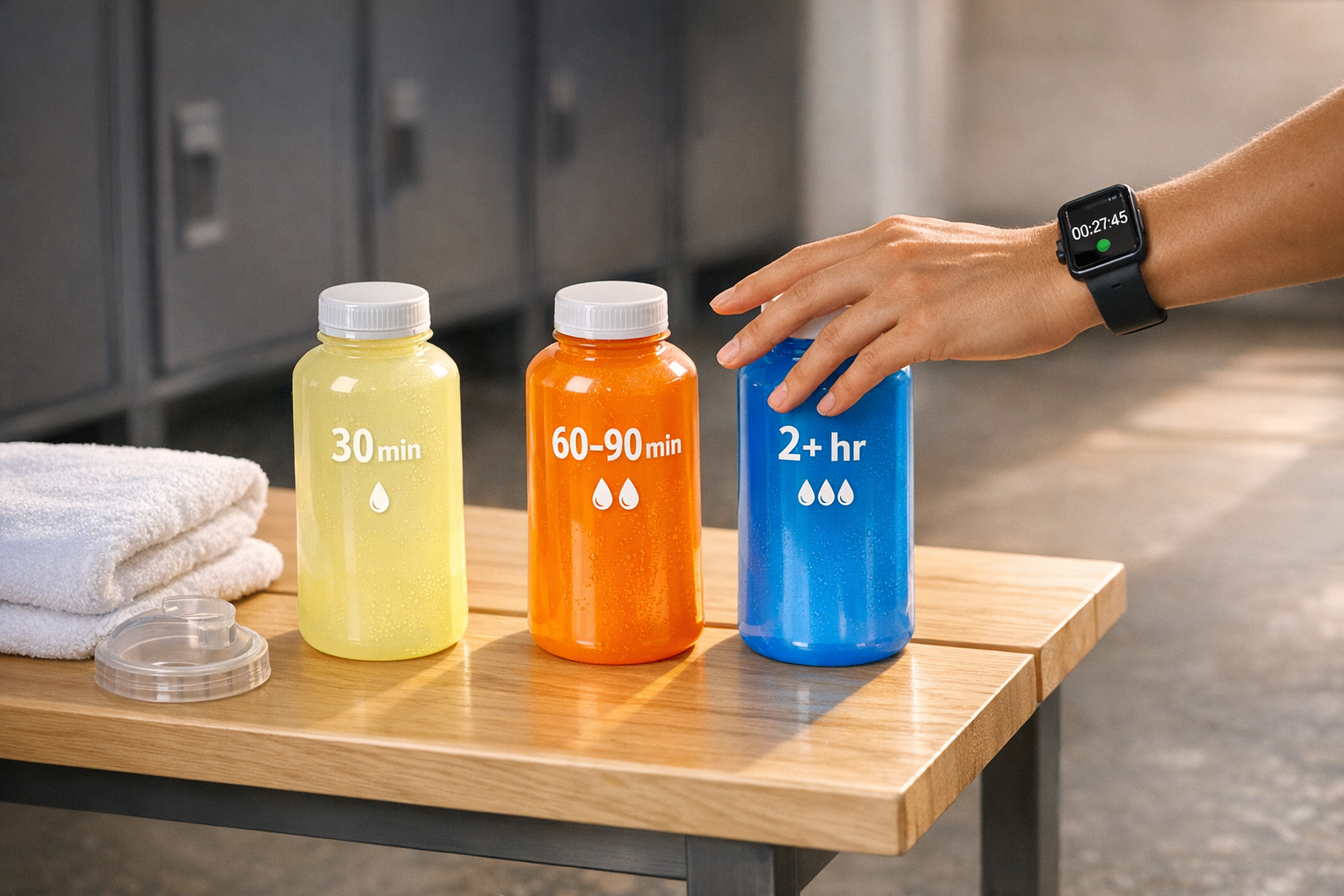
Best Electrolyte Supplements for Fitness Goals

Best Nootropics for Productivity in 2026

Top 5 Sleep Hygiene Practices for Athletes

5 Best Pre-Workouts for Pump

The 30-Minute Body That Beats the 2-Hour One
Short, high-intensity 30-minute workouts can deliver equal or better cardio, strength, and fat-loss results than long sessions.
Checklist for Choosing Clean Label Certified Supplements
Checklist to verify certifications, ingredient transparency, batch COAs, GMP compliance, and bioavailable forms in clean-label supplements.