



Whey Protein: Natural vs Synthetic Additives
When choosing whey protein, the type of additives - natural or synthetic - matters for your health and performance. Natural additives come from minimally processed, whole food sources like plant-based sweeteners, grass-fed whey, or natural cocoa. They’re easier to digest, retain more nutrients, and avoid artificial chemicals. On the other hand, synthetic additives like artificial sweeteners, preservatives, and emulsifiers are lab-made to improve taste, texture, and shelf life but may cause digestive issues and disrupt gut health.
Key Points:
- Natural Additives: Include stevia, monk fruit, and grass-fed whey. They support better digestion and nutrient absorption.
- Synthetic Additives: Include sucralose, carrageenan, and sodium benzoate. These can cause bloating, gut imbalance, and potential hormone disruption.
- Processing: Natural whey uses gentler methods (e.g., cold-processing) to preserve nutrients, while synthetic methods may strip away beneficial compounds.
- Health Impact: Natural additives align better with the body, while synthetic ones may lead to discomfort or long-term health concerns.
Quick Comparison:
| Criteria | Natural Additives | Synthetic Additives |
|---|---|---|
| Sweeteners | Stevia, Monk Fruit | Sucralose, Aspartame |
| Thickeners | Guar Gum, Acacia Fiber | Carrageenan, Cellulose Gum |
| Colors | Beet Juice, Turmeric | Red 40, Titanium Dioxide |
| Preservatives | Vitamin E (Natural) | Sodium Benzoate |
| Source Quality | Grass-Fed Whey | Conventional Whey |
For a clean, nutrient-rich option, look for whey protein with simple, natural ingredients and certifications like USDA Organic or NSF Certified for Sport.
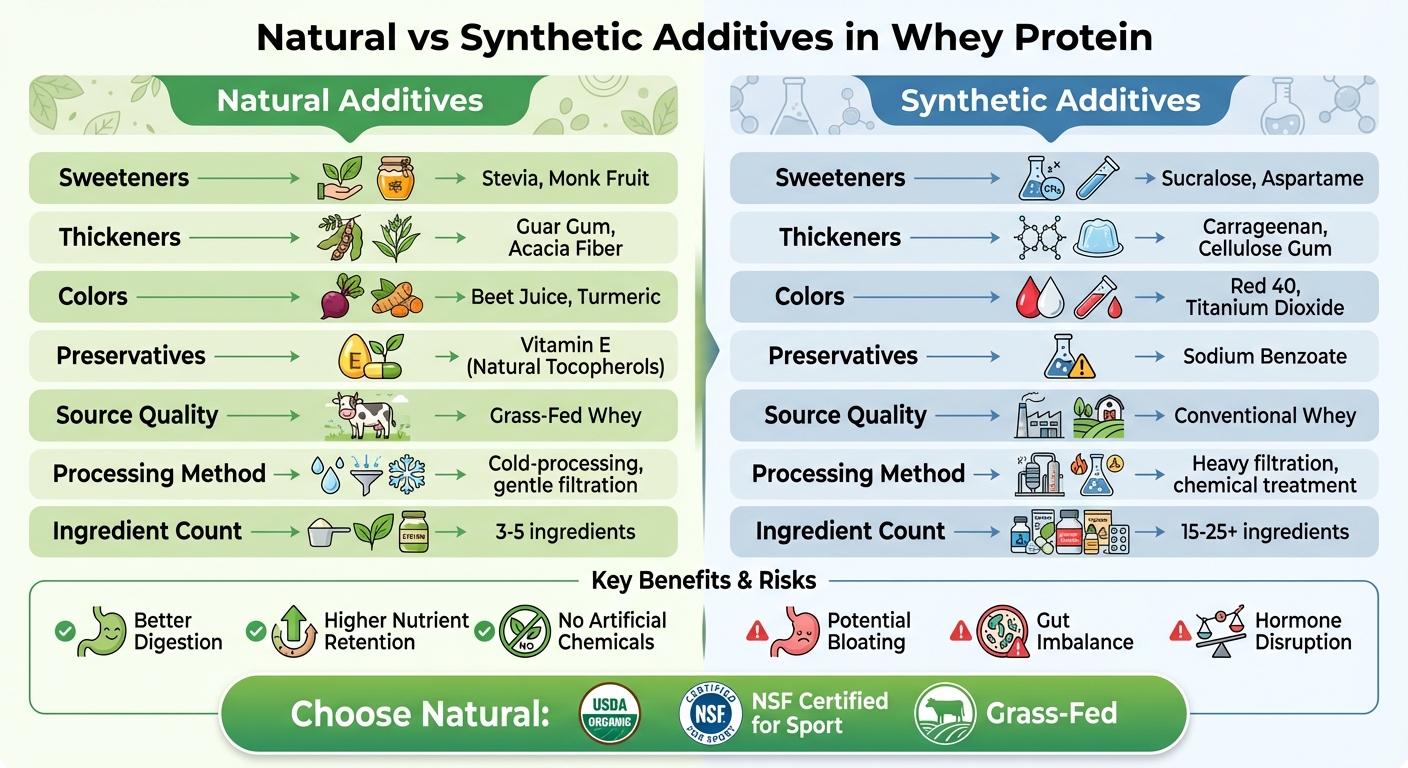
Natural vs Synthetic Whey Protein Additives Comparison Chart
What Are Natural Additives in Whey Protein
Natural additives in whey protein come from minimally processed whole food sources. Unlike synthetic chemicals made in labs, these ingredients are derived from plants, fruits, or other organic materials, retaining their original properties through gentle processing methods like physical filtration or spray-drying.
To keep whey protein as natural as possible, manufacturers avoid harsh chemical treatments. For example, some processes use acids or bleach to remove impurities, but this can damage the whey and break down its nutrients. By using gentler methods, the protein retains its nutritional quality and integrity.
One key factor in natural whey protein is the use of grass-fed dairy. Cows that graze on grass instead of processed grains produce milk with a better nutritional profile. As Zieminski explains, “Any product – whether meat or dairy – derived from grass-fed cows is lower in saturated fat than the grain-alternative and higher in healthier fats like omega-3s and conjugated linoleic acid (CLA)”. This approach not only enhances the whey’s nutritional value but also supports a healthier overall supplement.
Common Natural Additives
Natural whey protein powders often include plant-based sweeteners like stevia or monk fruit, which provide sweetness without the risks associated with artificial options. For flavor, manufacturers rely on natural cocoa powder or fruit extracts, avoiding synthetic flavoring agents.
Cold-processing techniques are another hallmark of natural whey products. These methods preserve the protein’s structure and beneficial fractions, which are often lost during heavy filtration. Whey concentrate, containing 70-80% protein, undergoes less processing compared to whey isolate. This helps retain protein fractions bound to natural fats, offering added health benefits beyond just protein content.
Benefits of Natural Additives
Natural additives can improve digestive tolerance since the body recognizes them as food rather than foreign chemicals. Organic whey with minimal processing often contains less than 1 gram of lactose per serving, making it easier for people with sensitivities to digest.
Additionally, the clean-label approach avoids synthetic dyes, which have been linked to behavioral issues in children like ADHD. Natural whey protein maintains its natural pale color or uses ingredients like cocoa for appearance, steering clear of artificial colorants. Organic-certified options also ensure the absence of synthetic hormones (rBST/rBGH), pesticides, and antibiotics. This transparency gives health-conscious consumers confidence in knowing exactly what they’re consuming. Natural methods like these consistently result in cleaner, more effective protein powders that stand apart from those with synthetic additives.
sbb-itb-7567710
What Are Synthetic Additives in Whey Protein
Synthetic additives are ingredients created in laboratories and added during the production of whey protein to improve its flavor, texture, color, and shelf life. Unlike natural additives, which come from whole food sources, these are chemically designed to fulfill specific roles in the final product.
For manufacturers, these additives serve a practical purpose. Take sucralose, for example - it’s an artificial sweetener that’s about 600 times sweeter than sugar and helps mask the natural bitterness of whey. Similarly, thickening agents like xanthan gum give the protein shake a smoother, creamier texture while also preventing the powder from settling. Emulsifiers, such as soy lecithin, make it easier for the powder to mix evenly with liquids, and anti-caking agents like silicon dioxide keep the powder from clumping in the container.
Beyond improving taste and texture, synthetic additives also help extend the shelf life of protein powders. Ingredients like maltodextrin, lecithin, and salt play a role in preserving the product by slowing oxidation (which can cause fats to go rancid) and preventing bacterial growth. This means many whey protein products can last up to 1–2 years.
Common Synthetic Additives
Here are some of the most frequently used synthetic additives in whey protein:
- Artificial Sweeteners: Sucralose and acesulfame potassium (Ace-K) provide intense sweetness without adding calories.
- Thickeners and Gums: Ingredients like xanthan gum, cellulose gum, and carrageenan create a creamy texture and keep ingredients from separating.
- Emulsifiers: Soy lecithin helps ensure a smooth blend and prevents clumping.
- Anti-Foaming Agents: Polydimethylsiloxane minimizes bubbles during mixing.
| Additive Category | Common Examples | Primary Purpose |
|---|---|---|
| Artificial Sweeteners | Sucralose, Acesulfame Potassium | Adds calorie-free sweetness; masks bitterness |
| Thickeners/Gums | Xanthan Gum, Cellulose Gum, Carrageenan | Enhances creaminess; prevents ingredient separation |
| Emulsifiers | Soy Lecithin | Promotes smooth blending; prevents clumping |
| Anti-Foaming Agents | Polydimethylsiloxane | Reduces foam during mixing |
| Anti-Caking Agents | Silicon Dioxide | Keeps powder from clumping |
While these additives improve convenience and appeal, they may come with some health trade-offs.
Drawbacks of Synthetic Additives
Despite their usefulness, synthetic additives can raise health concerns. For instance, thickeners like carrageenan and cellulose gum have been linked to digestive issues, including bloating, gas, and general discomfort. Additionally, some emulsifiers and artificial sweeteners have shown potential in animal studies to disrupt gut bacteria, which could negatively impact gut health.
Other concerns include preservatives like sodium benzoate, which may act as endocrine disruptors and interfere with hormonal balance. Heavy reliance on synthetic additives might also strip whey protein of its beneficial bioactive compounds. With more consumers leaning toward "clean labels", long ingredient lists packed with synthetic agents are increasingly viewed as indicators of lower product quality.
Natural vs Synthetic Additives: Direct Comparison
When it comes to whey protein additives, the contrast between natural and synthetic options is striking. These differences stem from their origins, how the body absorbs them, and their overall stability. Natural additives come from whole food sources like plants and herbs, undergoing minimal processing, while synthetic additives are lab-created to replicate natural compounds. This distinction plays a significant role in how the body processes and utilizes these ingredients.
One major difference lies in the number of ingredients. Natural or "clean" whey protein products typically contain just 3–5 familiar ingredients. In contrast, standard formulations can include 15–25 or more, often filled with thickeners and chemical preservatives. Natural additives are often easier for the body to absorb because they include cofactors - compounds that help the body make better use of the nutrients - making them more bioavailable than synthetic options.
Consumer preferences also lean heavily toward natural products. For example, 40% of shoppers actively look for "natural" labels, and 52% report adopting healthier eating habits. Moreover, 34% of Americans consider sustainability when choosing food, which further drives demand for natural formulations.
To make the differences even clearer, here's a breakdown of key ingredient categories:
Ingredient Comparison Table
| Ingredient Category | Natural Option | Synthetic Option | Key Differences |
|---|---|---|---|
| Sweeteners | Stevia, Monk Fruit | Sucralose, Aspartame | Natural sweeteners are plant-based and have no impact on blood sugar; synthetic ones may affect gut health. |
| Flavors | Natural Cocoa, Vanilla Bean | "Artificial Flavors" | Natural flavors come from real food sources, while artificial ones are chemically created and may include hidden additives. |
| Colors | Beet Juice, Turmeric | Red 40, Titanium Dioxide | Natural colorants can provide antioxidant benefits; synthetic dyes have been linked to issues like ADHD and hormone disruption. |
| Thickeners | Guar Gum, Acacia Fiber | Synthetic Emulsifiers | Natural thickeners promote gut health, whereas synthetic ones may disrupt gut bacteria and cause bloating. |
| Preservatives | Natural Tocopherols (Vitamin E) | Sodium Benzoate | Natural preservatives offer antioxidant properties, while sodium benzoate has been associated with hormonal imbalances and ADHD. |
| Source Quality | Grass-Fed Whey | Conventional Whey | Grass-fed whey boasts up to five times more omega-3s and higher CLA levels, while conventional whey may contain traces of synthetic hormones. |
This comparison underscores the simplicity and health benefits of natural ingredients, highlighting their better absorption, fewer additives, and potential positive impact on overall well-being.
How Natural vs Synthetic Additives Affect Health and Performance
The kind of additives in whey protein can significantly influence how your body processes and uses it. Natural additives tend to align with your digestive system, while synthetic ones may interfere with gut health and even hinder athletic performance. These differences shape how additives impact digestion and the nutrients available for recovery.
Effects on Digestive Health
Natural protein powders are easier for your body to digest because they undergo gentler processing, which keeps the protein’s structure intact and more recognizable to digestive enzymes. This minimizes digestive strain and enhances nutrient absorption. On the other hand, synthetic additives like sucralose, aspartame, sorbitol, carrageenan, and cellulose gum can lead to digestive discomfort, especially during periods of intense training.
The impact goes deeper than just comfort. Natural additives often include prebiotic fibers that nourish beneficial gut bacteria, promoting a healthier gut microbiome. In contrast, synthetic ingredients may lack these benefits or even harm the gut lining. A balanced gut microbiome is key for optimal nutrient absorption and immune support, especially during demanding training cycles. Additionally, natural additives help preserve essential nutrients during processing, contributing to overall digestive health.
Nutritional Value Retention
Gentler processing methods used for natural whey help retain higher levels of bioactive compounds like antioxidants, anti-inflammatory agents, lactoferrin, and immunoglobulins. These compounds play a role in supporting the immune system and reducing inflammation caused by exercise. For athletes, this means better muscle protein synthesis and faster recovery.
Processing techniques make a big difference. Methods like cold-processing or microfiltration protect heat-sensitive vitamins and enzymes, while harsher synthetic methods, such as ion exchange, can strip away these beneficial nutrients. Studies show that proteins processed less aggressively are absorbed more efficiently than heavily processed ones. This means you might need smaller portions of high-quality whey to achieve the same muscle-building results. For instance, top-tier whey protein isolates and concentrates boast digestibility rates of 98% and 96%, respectively, but only if processing methods preserve the natural co-factors and enzymes essential for muscle repair and growth.
NutriFitt EPIC Whey Protein: A Natural Additive Example
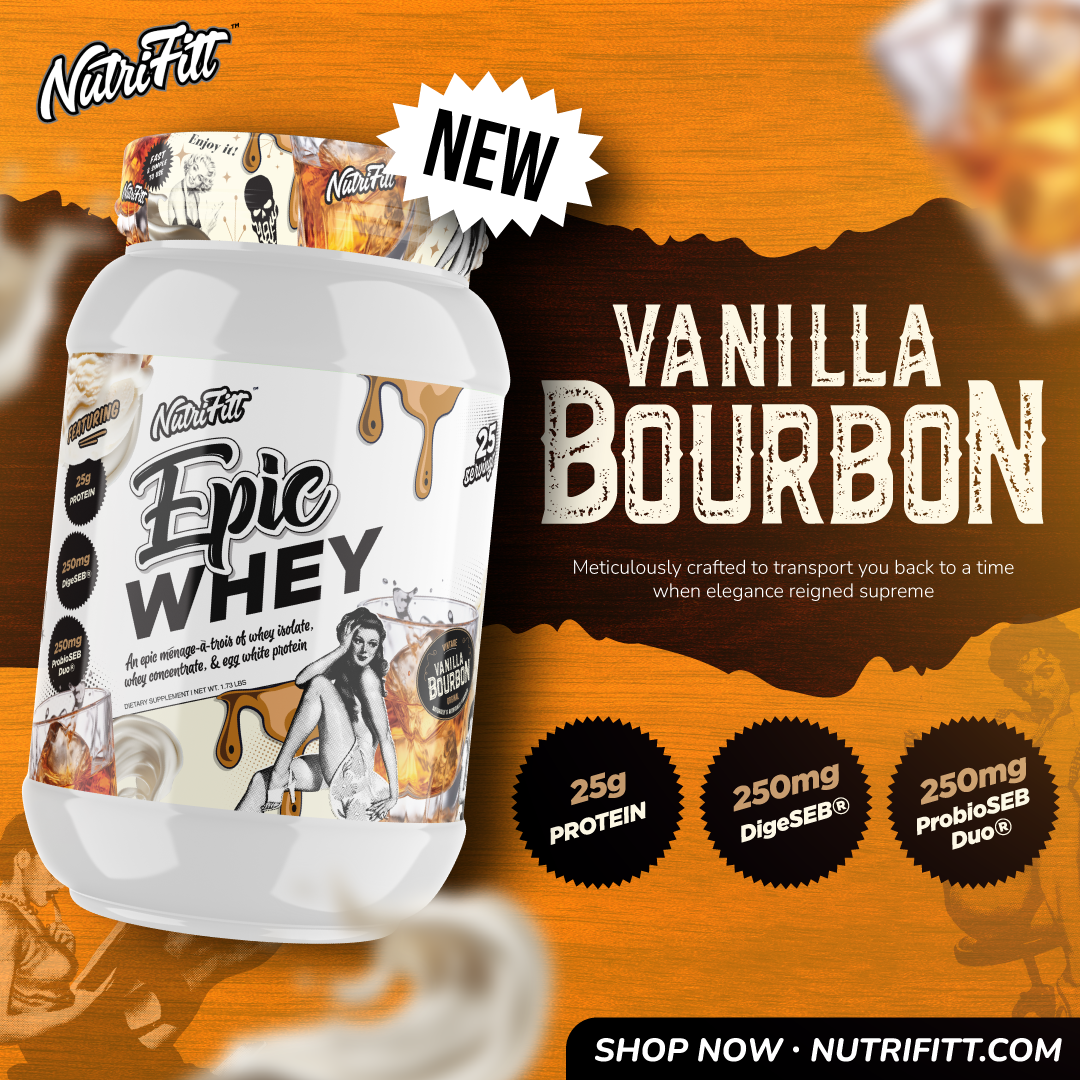
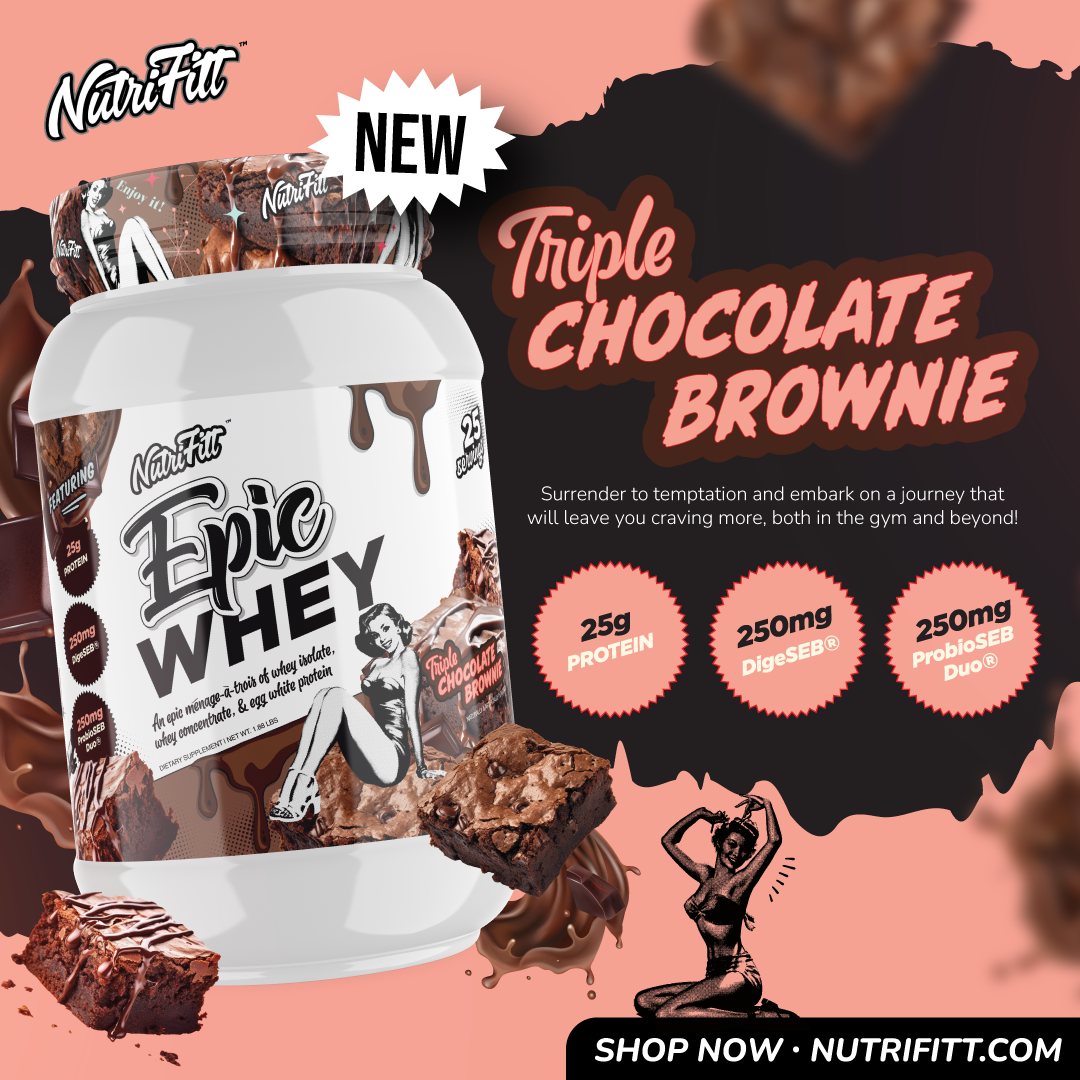
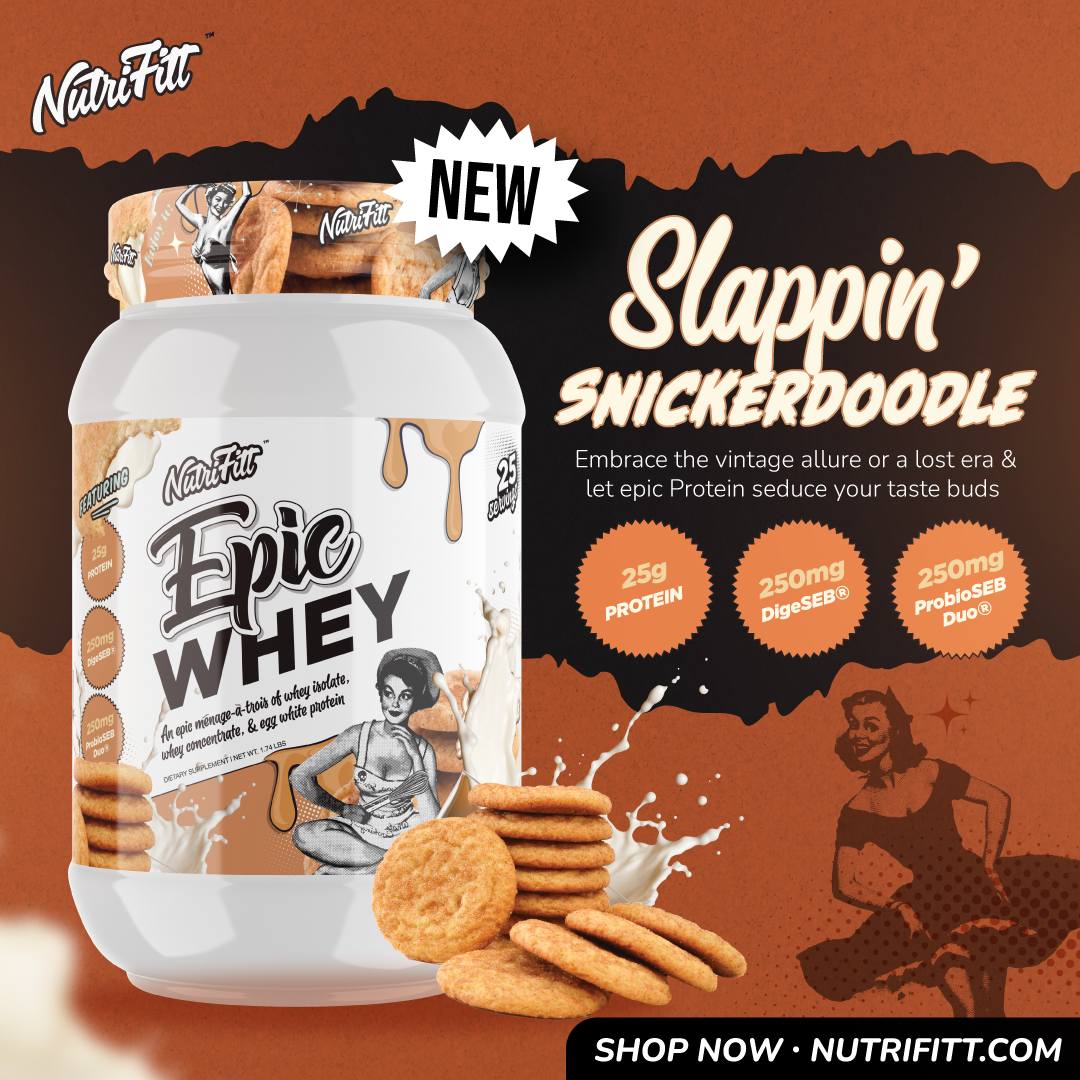
NutriFitt EPIC Whey Protein showcases the advantages of natural additives in a supplement. Instead of relying on artificial fillers, the formula includes functional enzyme blends and probiotics to improve digestion and recovery. It combines whey protein isolate, whey protein concentrate, and instantized egg white protein to create a tri-blend that delivers 25g of protein per serving, with only 1g of carbohydrates and 2g of fat.
The product’s unique formulation introduces several standout features that distinguish it in the market.
Key Features of EPIC Whey Protein
One of the most notable components is the DigeSEB® Super Enzyme Blend, designed to enhance the digestion of proteins, fats, and dairy, addressing common digestive issues. Additionally, the formula includes:
- HemiSEB®, which breaks down plant fibers to reduce bloating.
- PeptizymeSP®, an enzyme resistant to stomach acid, specifically formulated to degrade fibrin, supporting muscle and joint health.
- ProbioSEB Duo®, a probiotic blend that helps restore intestinal microflora balance and supports immune health during intense training cycles.
Priced at $49.99 for approximately 25 servings, the product has received a 5/5 rating from 12 reviews, with 92% of customers awarding it five stars.
These features reflect NutriFitt’s commitment to combining science with transparency in its formulations.
Why Choose EPIC Whey Protein
NutriFitt prioritizes transparency and evidence-based formulations. As the company explains:
"Every product we develop is formulated using real science to ensure the highest quality and effectiveness available".
This philosophy is evident in the inclusion of four branded enzyme and probiotic complexes, which work together to provide more than just a basic protein powder. By avoiding synthetic additives, the product focuses on delivering clean, functional nutrition.
The Vanilla Bourbon flavor adds a sophisticated twist to traditional vanilla, and users frequently praise its smooth texture and easy mixability - even when using two scoops. For athletes who value clean nutrition and effective recovery, this protein blend offers bioavailable protein sources paired with natural additives that support digestion and long-term performance. It aligns seamlessly with the broader emphasis on clean, natural formulations over synthetic alternatives.
Conclusion
The choice between natural and synthetic additives plays a crucial role in both performance and long-term health. For example, natural powders can contain up to 300% more bioactive compounds. These compounds, combined with enhanced bioavailability, support better absorption, faster recovery, and efficient protein synthesis.
On the flip side, synthetic additives - like artificial sweeteners, preservatives, and industrial emulsifiers - are often linked to issues such as digestive discomfort, metabolic challenges, and even behavioral concerns. Natural options, especially those derived from grass-fed sources, stand out with their richer nutrient profiles, offering more omega-3s, CLA, and prebiotic fibers.
"Natural protein powders retain their nutritional value through gentle processing methods... resulting in a more bioavailable protein that your body can utilize more efficiently".
This comparison highlights the importance of choosing products that embrace the advantages of natural additives. A great example is NutriFitt EPIC Whey Protein, which combines a tri-blend formula with added digestive enzyme support through DigeSEB® and a probiotic blend called ProsbioSEB Duo®. Each serving packs 25g of protein with just 1g of carbohydrates, all without relying on synthetic fillers.
FAQs
How can I tell if a whey protein has synthetic additives?
When reviewing an ingredient label, look closely for mentions of synthetic additives. These might include artificial sweeteners, fillers, or chemical preservatives. They are usually listed clearly and can often be identified as different from naturally derived ingredients.
Which additives are most likely to cause bloating or stomach issues?
Additives such as artificial sweeteners, fillers, and some preservatives found in protein powders can sometimes upset the digestive system. This irritation may lead to bloating or stomach discomfort. Products with synthetic additives are more likely to include these ingredients, so if you’re prone to digestive sensitivities, it’s a good idea to carefully read the labels before buying.
Do certifications like NSF or USDA Organic really matter for whey protein?
Certifications such as NSF or USDA Organic play a key role in ensuring the quality and safety of whey protein. These labels confirm that the product meets strict standards and is free from harmful additives or contaminants. Knowing this helps you feel confident about the purity and reliability of what you're putting into your body.
Latest Posts

The 3 Types of People in the Gym (Which One Are You?)

Why You’re Still Tired (Even If You Drink Coffee All Day)

Endurance Pre-Workouts: Science Behind the Formulas

Ultimate Guide to Supplements for Cardio Endurance
Whey Protein: Natural vs Synthetic Additives

8 Protein Myths That Could Hurt Your Gains

Best Antioxidant Supplements for Mitochondrial Support

Dynamic Stretching vs. Static Stretching for Injury Prevention