



Ultimate Guide to Pre-Workout Timing
Want to maximize your workouts? It’s all about timing your pre-workout right. Here's the key: take your pre-workout 20–45 minutes before exercising to ensure peak energy, focus, and endurance. Timing depends on your workout type, time of day, and personal sensitivity to ingredients like caffeine.
Quick Takeaways:
- Timing Basics: Take pre-workout 30–45 minutes before strength or endurance workouts; 20–30 minutes for HIIT.
- Morning Workouts: Take it 15–30 minutes before for a quick energy boost.
- Evening Workouts: Avoid caffeine-based pre-workouts within 4–6 hours of bedtime.
- Duration of Effects: Benefits last 1.5–2.5 hours, but factors like metabolism and diet impact results.
- Food Pairing: A light snack can help prevent jitters; avoid heavy meals right before.
- Hydration: Drink 16–24 fl oz of water 1–2 hours before your session.
Pro Tip: If you’re sensitive to caffeine, start with a smaller dose or opt for low-stimulant formulas like NutriFitt KROBAA ($37.49). For intense sessions, high-stim options like SYMBIOTE deliver sustained energy.
Fine-tune your timing, listen to your body, and fuel up properly to get the most out of every workout.
Pre-Workout Timing Guide by Workout Type and Time of Day
How Your Body Processes Pre-Workout Supplements
When Pre-Workout Kicks In
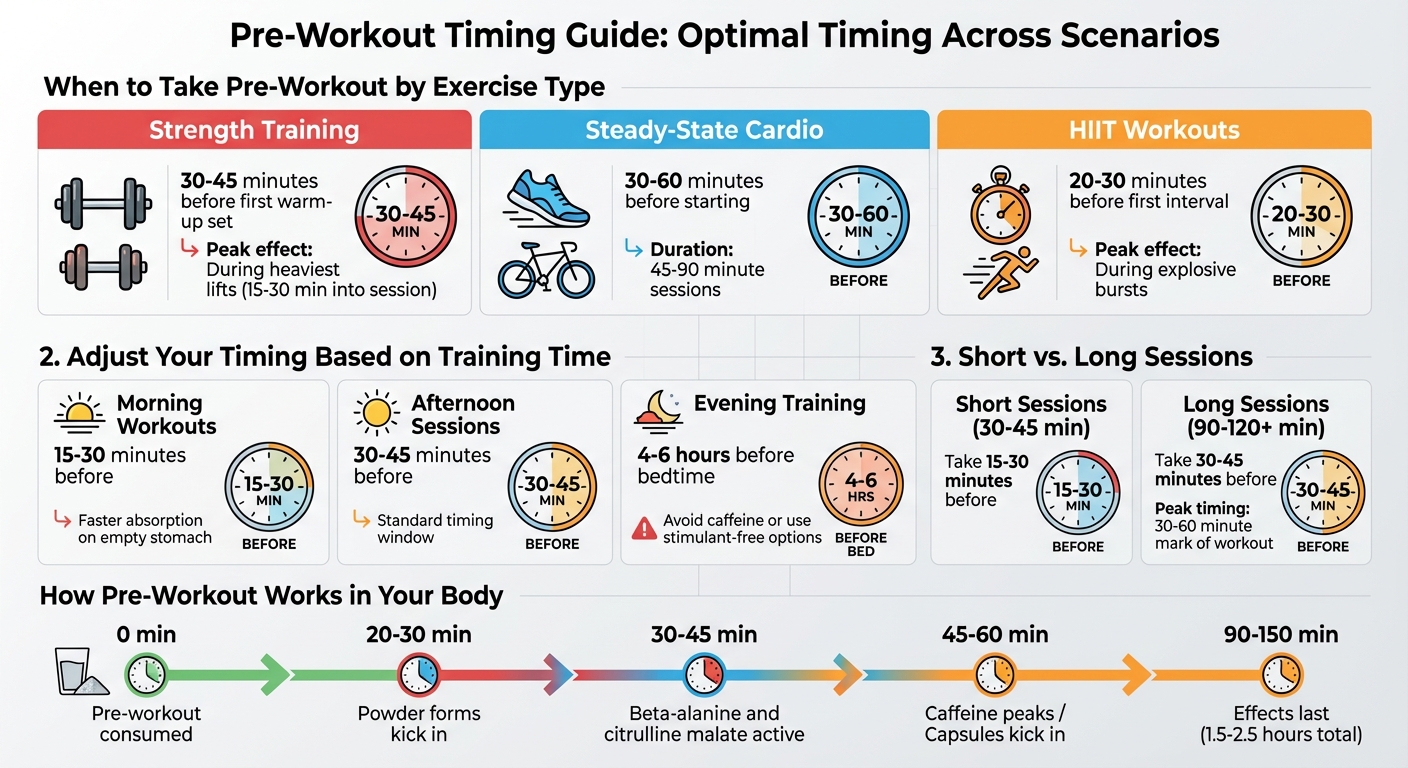
Pre-workout supplements generally start to take effect within 20–60 minutes after consumption, giving you a performance boost just in time for your workout. Powders, which mix with water, are absorbed more quickly than capsules. For example, a powdered supplement containing caffeine and citrulline malate often kicks in within 20–30 minutes, whereas capsule-based options may take closer to 45–60 minutes to reach their peak. To get the most out of your pre-workout, aim to take it about 30–45 minutes before you start exercising. Each ingredient in the formula follows its own unique absorption timeline, which is worth understanding.
How Different Ingredients Work on Different Timelines
Once in your bloodstream, the ingredients in pre-workout supplements act on their own schedules. For instance, caffeine reaches its peak concentration about 45–60 minutes after ingestion, making it ideal for boosting energy and focus when timed correctly. Beta-alanine works best when taken 30–45 minutes before your workout, as it needs time to be absorbed and help reduce muscle acidity during intense sets. Meanwhile, citrulline malate typically becomes effective around 30 minutes after consumption, enhancing nitric oxide production, increasing blood flow, and giving you that satisfying muscle pump during weightlifting. These ingredients are blended in a way that their effects overlap, ensuring sustained energy, focus, and endurance throughout your workout.
How Long Effects Last and Personal Differences
The effects of pre-workout supplements generally last 1.5–2.5 hours, which is perfect for most gym sessions. Caffeine, for example, peaks for about 1–2 hours, even though it has a longer half-life of 3–5 hours. Nitric oxide boosters like citrulline malate enhance blood flow and pumps during the most active parts of your session but may taper off during extended workouts. However, how long and how intensely these effects last can vary from person to person. Factors like body weight, metabolism, hydration, and whether you took the supplement on an empty stomach all play a role. While some people benefit from taking pre-workout an hour before training, others feel the strongest effects when they take it just 20–30 minutes prior.
Best Timing for Different Workout Types and Goals
To get the most out of your workouts, it's important to time your pre-workout intake based on your specific training goals and session structure.
Timing for Strength, Cardio, and HIIT Workouts
Strength training is all about timing your energy boost to hit during your heaviest lifts. Aim to take your pre-workout 30–45 minutes before your first warm-up set. This ensures that performance-enhancing ingredients, like caffeine, kick in right when you're tackling your toughest compound lifts - typically 15–30 minutes into your session. For example, if you’re squatting or deadlifting around the 20-minute mark, taking pre-workout 40 minutes prior aligns perfectly.
For steady-state cardio - whether it’s running, cycling, or rowing for 45–90 minutes - take your pre-workout 30–60 minutes before starting. This timing allows for a gradual energy build-up, giving you the stamina to push through the middle of your workout when fatigue tends to creep in. The steady energy curve works better for endurance-focused activities compared to a rapid spike.
HIIT workouts call for a slightly different approach. Since these sessions involve high-intensity intervals early on, take your pre-workout 20–30 minutes before your first interval. This way, the energy boost and heightened focus are in full effect during those explosive, high-effort bursts that define HIIT.
Adjusting for Morning, Afternoon, or Evening Workouts
The time of day you train also plays a role in pre-workout timing.
For morning workouts, when you're likely training on an empty or nearly empty stomach, take your pre-workout 15–30 minutes before starting. Caffeine absorbs faster on an empty stomach, helping you shake off morning grogginess and get into the zone during your warm-up.
Afternoon sessions are a bit more forgiving. The standard 30–45 minute window works well, especially since you’ve probably had at least one meal earlier in the day. This timing ensures full absorption of the pre-workout ingredients without causing stomach discomfort.
Evening training requires extra care to avoid disrupting your sleep. If your pre-workout contains caffeine, take it at least 4–6 hours before bedtime. For instance, if you plan to sleep at 10:00 p.m., finish your pre-workout by 4:00–6:00 p.m. For late-night sessions starting after 6–7 p.m., opt for a stimulant-free pre-workout or consider using a smaller dose to maintain performance without compromising your rest.
Timing for Short vs. Long Training Sessions
The length of your workout also influences the best timing for pre-workout intake.
For shorter sessions lasting 30–45 minutes, take your pre-workout 15–30 minutes before starting. If your main sets begin within 5–10 minutes of entering the gym, aim for a shorter gap - closer to 20 minutes - to ensure the effects of caffeine and focus-enhancing ingredients are active right when you need them.
For longer sessions that stretch 90–120 minutes or more, timing is key to maintaining performance throughout. Take your pre-workout 30–45 minutes before training so the energy boost carries into the middle and later phases of your workout. Advanced athletes often plan their intake so that caffeine peaks during their most demanding sets, such as heavy compound lifts or intense conditioning work, typically around the 30–60 minute mark.
sbb-itb-7567710
Combining Pre-Workout with Food and Hydration
To get the most out of your pre-workout supplement, what you eat and drink matters just as much as when you take it. The right combination of food, hydration, and supplement timing can help you feel energized and focused while avoiding discomfort during your workout. By striking this balance, you can enhance the effectiveness of your pre-workout routine.
Eating Before Taking Pre-Workout
Plan to eat a balanced meal 2–3 hours before your workout. Include complex carbs, lean protein, and a bit of healthy fat to provide steady energy.
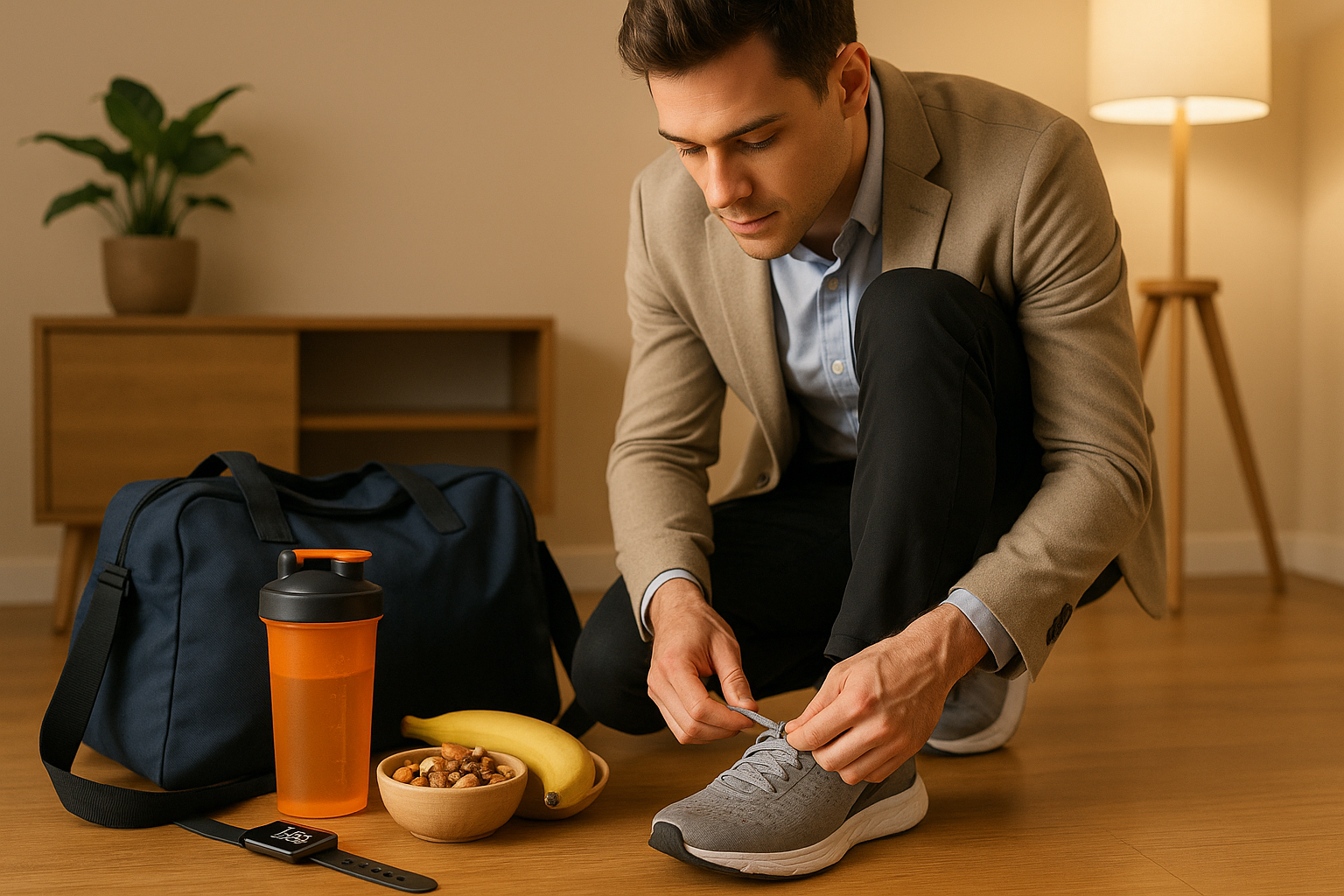
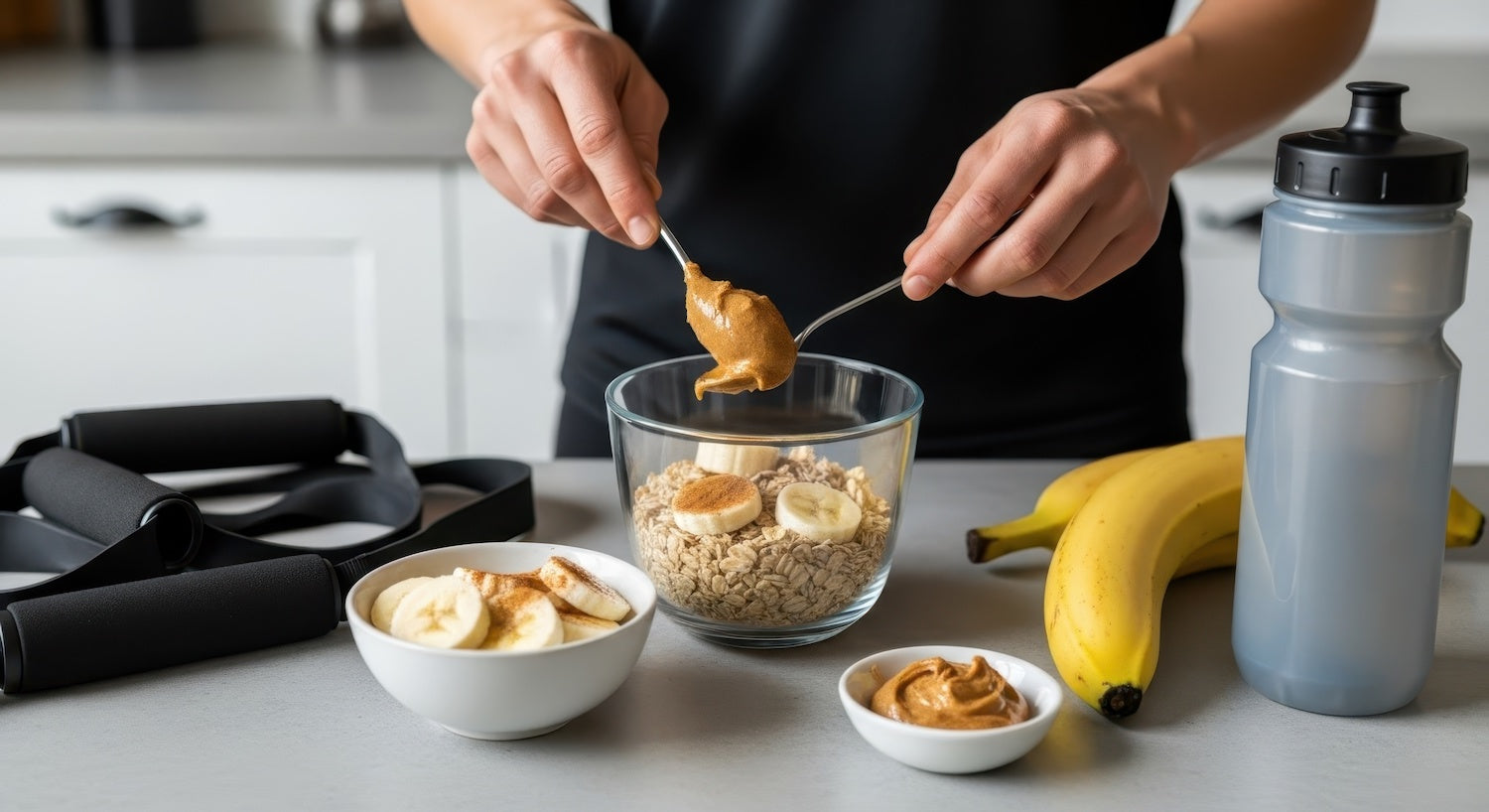
If it’s been more than 3 hours since your last meal, a quick snack 30–60 minutes before taking your pre-workout can help. Simple options like a banana, granola bar, toast with jam, or Greek yogurt with berries work well to keep your energy up and prevent nausea or jitters. This is especially useful if you’re sensitive to caffeine or acidic drinks. On the other hand, avoid heavy or high-fat meals right before exercising, as they can slow digestion and cause discomfort. This approach ensures your body is fueled and ready, complementing your pre-workout timing.
Taking Pre-Workout on an Empty Stomach vs. With Food
Whether you take your pre-workout on an empty stomach or with food can influence how you feel and perform. Here’s a quick comparison:
| Aspect | Empty Stomach | With Food/Snack |
|---|---|---|
| Onset of effects | Faster; ingredients absorb quickly | Slower but more gradual onset |
| Energy feel | Intense, sometimes "jolting" | Smoother, more sustained |
| GI comfort | Higher chance of nausea, cramps, or heartburn | Easier on the stomach |
| Best for | Experienced users; short, intense workouts | Those sensitive to caffeine or prone to stomach upset; longer sessions |
Taking pre-workout on an empty stomach can kick in faster but might lead to stomach issues. If you go this route, start small - maybe half a scoop - to see how your body reacts. Pairing your pre-workout with a light snack can make the experience more comfortable and steady.
Water Intake and Combining with Other Supplements
Staying hydrated is key. Mix your pre-workout with 8–16 fl oz of cold water, and drink 16–24 fl oz of water in the 1–2 hours leading up to your workout. Even mild dehydration - just 2% - can hurt both endurance and focus.
For longer or sweat-heavy sessions, especially in hot or humid environments, consider adding electrolytes like sodium, potassium, and magnesium to your drink. These help replace what you lose through sweat and keep your performance steady.
Another common practice is combining creatine with your pre-workout. A daily dose of 3–5 g of creatine monohydrate supports high-intensity efforts and muscle growth, and it can easily be added to your pre-workout mix.
If your pre-workout already includes nootropic ingredients like tyrosine or alpha-GPC, avoid layering on additional stimulant supplements until you’re familiar with how your body handles them. Also, monitor your total caffeine intake. The FDA recommends keeping daily caffeine consumption under 400 mg for most healthy adults, so reading labels can help you stay within a safe range.
Timing Adjustments for Safety and Tolerance
Adjusting for Caffeine Sensitivity
Caffeine affects everyone differently. Some people metabolize it slowly, which can lead to longer-lasting or even overwhelming effects. If you’re new to pre-workout supplements or know you’re sensitive to caffeine, start small - try ¼ to ½ scoop about 30–45 minutes before your workout. Pay attention to how your body reacts. Feeling jittery, anxious, or noticing a rapid heart rate? Those are signs you might need to scale back even more.
For those with moderate sensitivity, taking your pre-workout 45–60 minutes before exercise instead of the typical 30 minutes can be helpful. This extra time allows the initial caffeine surge to settle before you hit your most intense sets. If you’re highly sensitive to caffeine, consider switching to a low-stimulant or stimulant-free formula or stick to very small doses (like ¼ scoop) taken at least 60 minutes before training. Avoid combining pre-workout with other caffeine sources, such as coffee or energy drinks, on the same day. To protect your sleep, make sure any caffeinated pre-workout is consumed at least 4–6 hours before bedtime. These adjustments can help minimize unwanted side effects tied to timing.
Preventing Side Effects from Poor Timing
Taking pre-workout too early - more than an hour before your session - can result in caffeine peaking before you even begin, leaving you sluggish halfway through your workout. On the flip side, taking it too close to bedtime (within 4 hours) can interfere with your ability to fall asleep.
If you experience jitters or anxiety, try reducing your serving size or taking it earlier. Pairing your pre-workout with a light snack 30–60 minutes before training can also help balance the effects. Staying hydrated is key as well - dehydration can worsen side effects like headaches or heart palpitations.
Fine-tuning your timing not only helps with side effects but also ensures you’re getting the most out of your pre-workout routine.
How Often to Use Pre-Workout
How often you use pre-workout depends on your training schedule and how your body responds. To prevent building a tolerance, limit pre-workout use to training days only. If you work out 3–5 days a week, stick to using pre-workout on those days.
For those training 6–7 days a week, save your full-dose pre-workout for the toughest sessions - like heavy leg days, intense cardio, or HIIT. On moderate days, consider using low-stimulant options like NutriFitt KROBAA, which is designed to enhance performance with less reliance on caffeine. KROBAA is particularly useful for back-to-back training days, evening workouts, or when you want focus and support without a heavy stimulant load.
To keep caffeinated pre-workout effective, cycle it for 6–8 weeks, then take a 1–2 week break or switch to stimulant-free formulas. This ensures that when you do use a full-strength product, it delivers the results you’re looking for.
Conclusion
For the best results, aim to take your pre-workout 20–45 minutes before training. This timing helps ensure the caffeine and other ingredients are at their peak as you start. Adjust the timing based on your workout style - 20–30 minutes works well for heavy lifting or HIIT, while 30–45 minutes is better for longer endurance sessions. If you’re training in the evening, make sure stimulant-based formulas are taken at least 4–6 hours before bedtime to avoid disrupting your sleep. For beginners or those sensitive to caffeine, start with a smaller dose and lean toward the longer end of this timing window for a smoother experience.
Consistency matters. Stick with a timing routine for several sessions and pay close attention to how your body responds, from the initial energy boost to sustained focus during your workout. Even small adjustments, like shifting your timing by 5–10 minutes, can make a noticeable difference. Don’t forget to pair your pre-workout with proper nutrition and hydration for better absorption and fewer side effects.
NutriFitt offers a range of products tailored to different needs. Whether you go for their high-stim options for intense sessions or the low-stim KROBAA formula for back-to-back or evening workouts, timing is everything. Listen to your body, fine-tune your approach, and turn your pre-workout into a powerful tool for peak performance.
FAQs
How should I time my pre-workout if I’m sensitive to caffeine?
If caffeine tends to hit you hard, consider taking your pre-workout about 30 to 60 minutes before you start exercising. This gives it enough time to take effect. To avoid feeling jittery, begin with a smaller dose to see how your body responds, and only increase it gradually if necessary. This way, you can enjoy the boost in energy and focus without going overboard.
What’s the best meal to eat before taking a pre-workout supplement?
For the best energy and performance during your workout, try eating a balanced meal with complex carbohydrates and lean protein about 1–2 hours before taking your pre-workout supplement. This gives your body enough time to process the nutrients and turn them into fuel.
Some solid pre-workout meal options include oatmeal mixed with a scoop of protein powder, grilled chicken paired with brown rice, or a whole-grain bagel topped with peanut butter. Be sure to adjust portion sizes based on your activity level and personal preferences so you’re energized but not overly full or sluggish.
What’s the best time to take a pre-workout for different types of exercise?
The best time to take a pre-workout supplement depends on the kind of exercise you’re planning. As a general rule, taking it 15-30 minutes before you start gives the ingredients time to kick in, providing the energy and focus you need.
For intense or endurance-based workouts, waiting closer to 30 minutes ensures you’re ready to perform at your peak. On the other hand, for lighter or shorter sessions, 15 minutes might be all you need. NutriFitt’s carefully formulated supplements align with these timing strategies, helping you get the most out of every workout.
Latest Posts

How Ashwagandha Supports Testosterone Levels
10 Best Natural Pre-Workout Ingredients
Best Electrolyte Supplements for Fitness Goals

Best Nootropics for Productivity in 2026

Top 5 Sleep Hygiene Practices for Athletes

5 Best Pre-Workouts for Pump

The 30-Minute Body That Beats the 2-Hour One
Short, high-intensity 30-minute workouts can deliver equal or better cardio, strength, and fat-loss results than long sessions.
Checklist for Choosing Clean Label Certified Supplements
Checklist to verify certifications, ingredient transparency, batch COAs, GMP compliance, and bioavailable forms in clean-label supplements.