


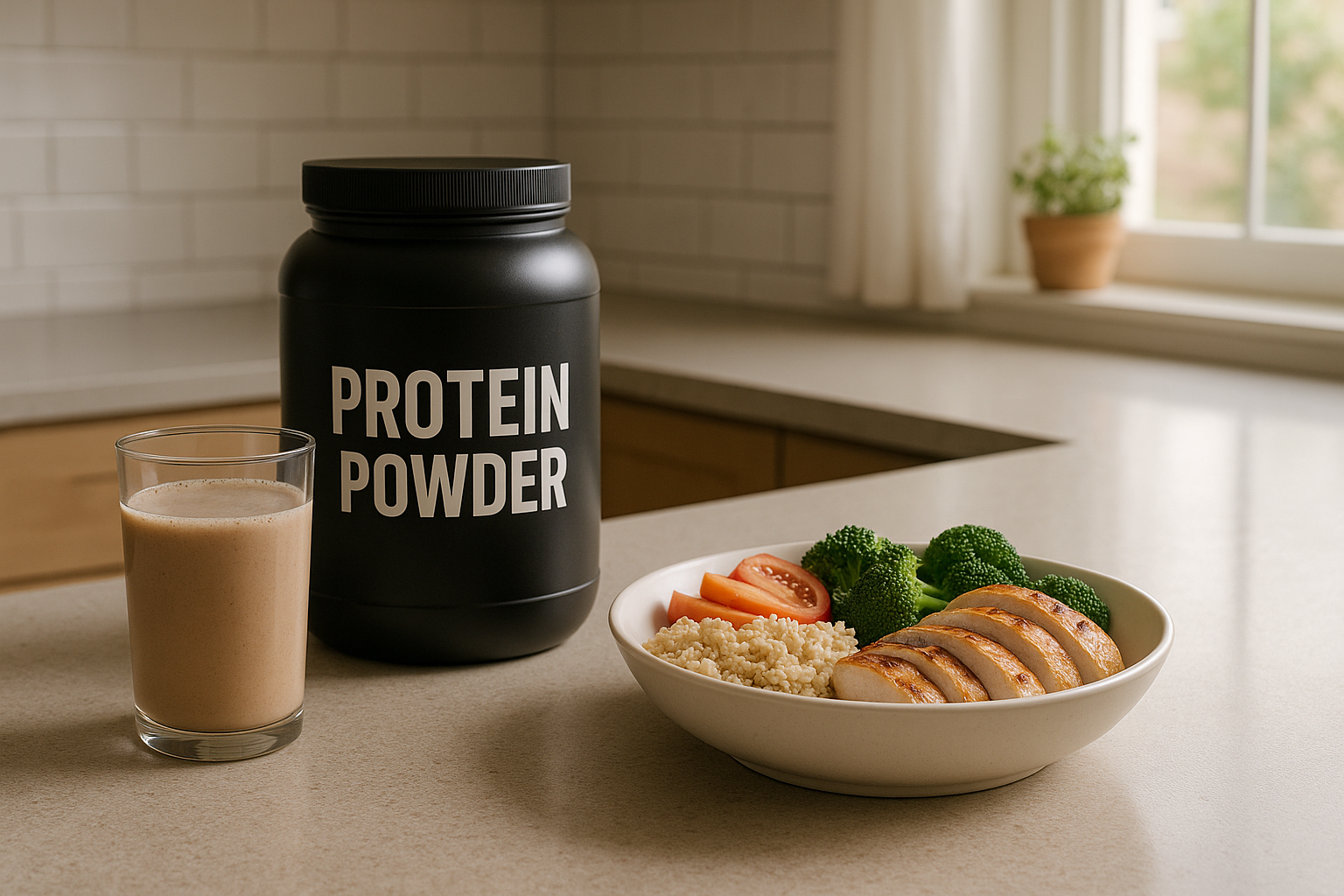
Protein Powders vs Whole Foods: Post-Workout Nutrition
After a workout, your body needs protein to repair and strengthen muscles. You can choose between protein powders and whole foods for this, each offering unique benefits and drawbacks. Protein powders are fast, convenient, and portable, while whole foods provide additional nutrients like vitamins and fiber. The best approach often combines both, depending on your schedule, goals, and preferences.
Key Takeaways:
- Protein powders: Quick absorption, easy to prepare, but lack extra nutrients and can be costly.
- Whole foods: Nutritionally rich and satisfying, but slower to digest and less convenient.
- Post-workout tip: Aim for 0.2–0.5 grams of protein per kg of body weight, paired with carbs in a 3:1 or 4:1 ratio.
Quick Comparison Table:
| Factor | Protein Powders | Whole Foods |
|---|---|---|
| Absorption Speed | Fast (30–60 mins) | Slow (2–3 hours) |
| Nutrients | Mostly protein | Protein + vitamins, fiber |
| Convenience | High | Low |
| Cost per Serving | $1.00–$2.00 | $0.75–$1.50 |
| Portability | Excellent | Poor |
For optimal recovery, start with a protein shake after your workout, then follow up with a whole food meal within a few hours. This balances fast-acting protein with sustained nutrition.
Protein Powders: Pros and Cons
Protein powders have earned their spot in gym bags everywhere. Alongside whole foods, they offer a quick and convenient way to support recovery. But, like any nutrition choice, they come with both perks and potential drawbacks worth understanding.
Benefits of Protein Powders
One of the biggest advantages of protein powders is how quickly they work. After a tough workout, your muscles need amino acids fast, and whey protein delivers them quicker than whole foods like chicken or steak. This rapid absorption can be a game-changer for recovery, especially when timing matters.
Another reason protein powders are so popular is their sheer convenience. A single scoop mixed with water can provide 20-30 grams of protein without the need for cooking, refrigeration, or cleanup. For those juggling work, family, and workouts, this simplicity can mean the difference between meeting your protein goals and falling short.
Protein powders are also incredibly efficient. Just one scoop mixed with 8 ounces of liquid can pack 25-30 grams of protein without leaving you overly full. This is especially helpful for athletes or fitness enthusiasts who need to hit higher daily protein targets - sometimes as much as 1.2-2 grams per kilogram of body weight.
And let's not forget the variety of flavors available today. From classic options like vanilla and chocolate to more creative choices, protein powders make it easier (and tastier) to stick to your nutrition plan over the long term.
These benefits explain why choosing a high-quality protein powder is so important.
How to Pick Quality Protein Powders
Not all protein powders are created equal, so selecting the right one is key. Start by looking for complete proteins - whey, casein, or well-formulated plant-based blends that provide all nine essential amino acids. This ensures your muscles get what they need for repair and growth.
Ingredient transparency is another must. Stick with brands that clearly list their ingredients, avoid unnecessary fillers, and offer third-party testing results.The supplement market has had its share of issues with fake or contaminated products, so knowing exactly what you're consuming is crucial for both safety and effectiveness.
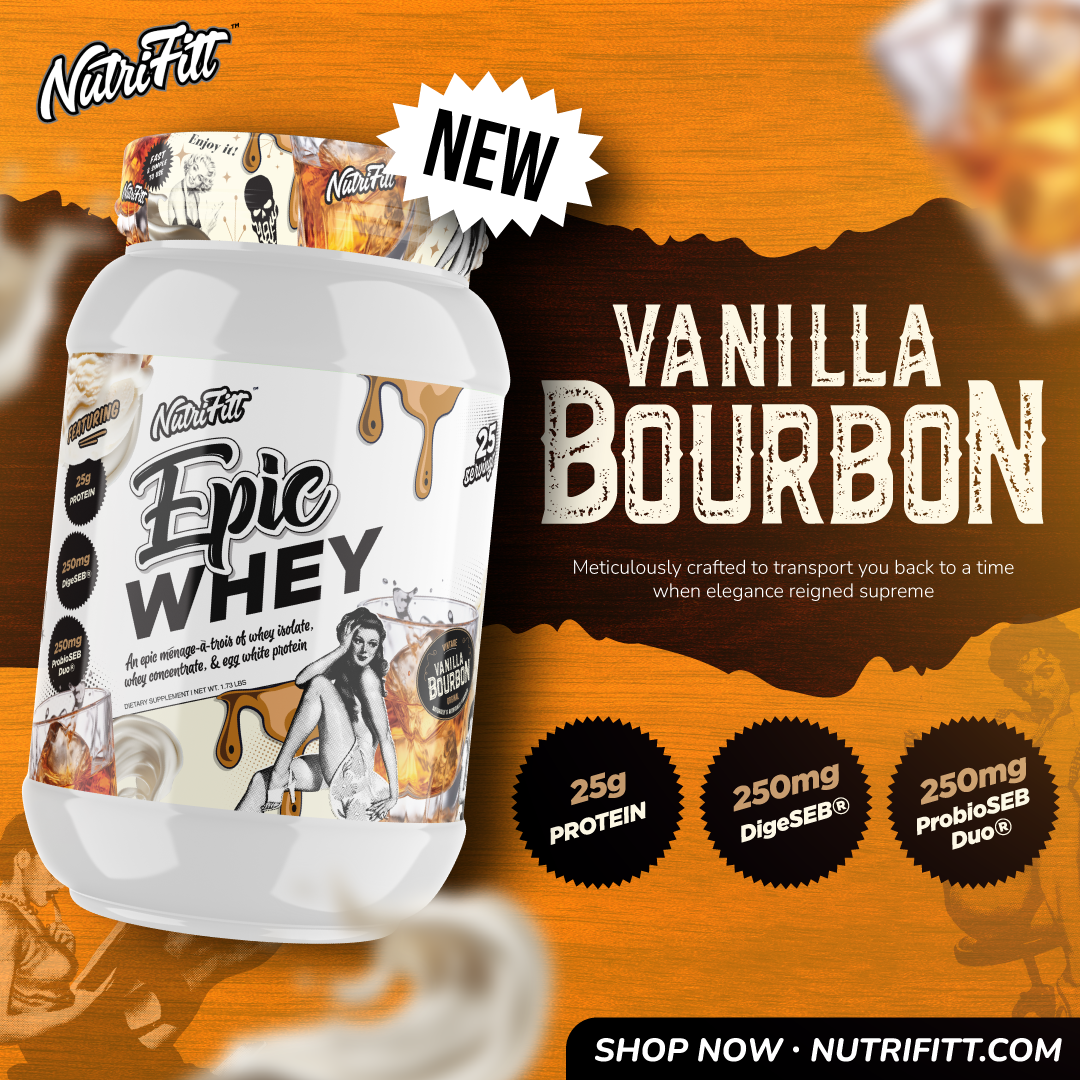
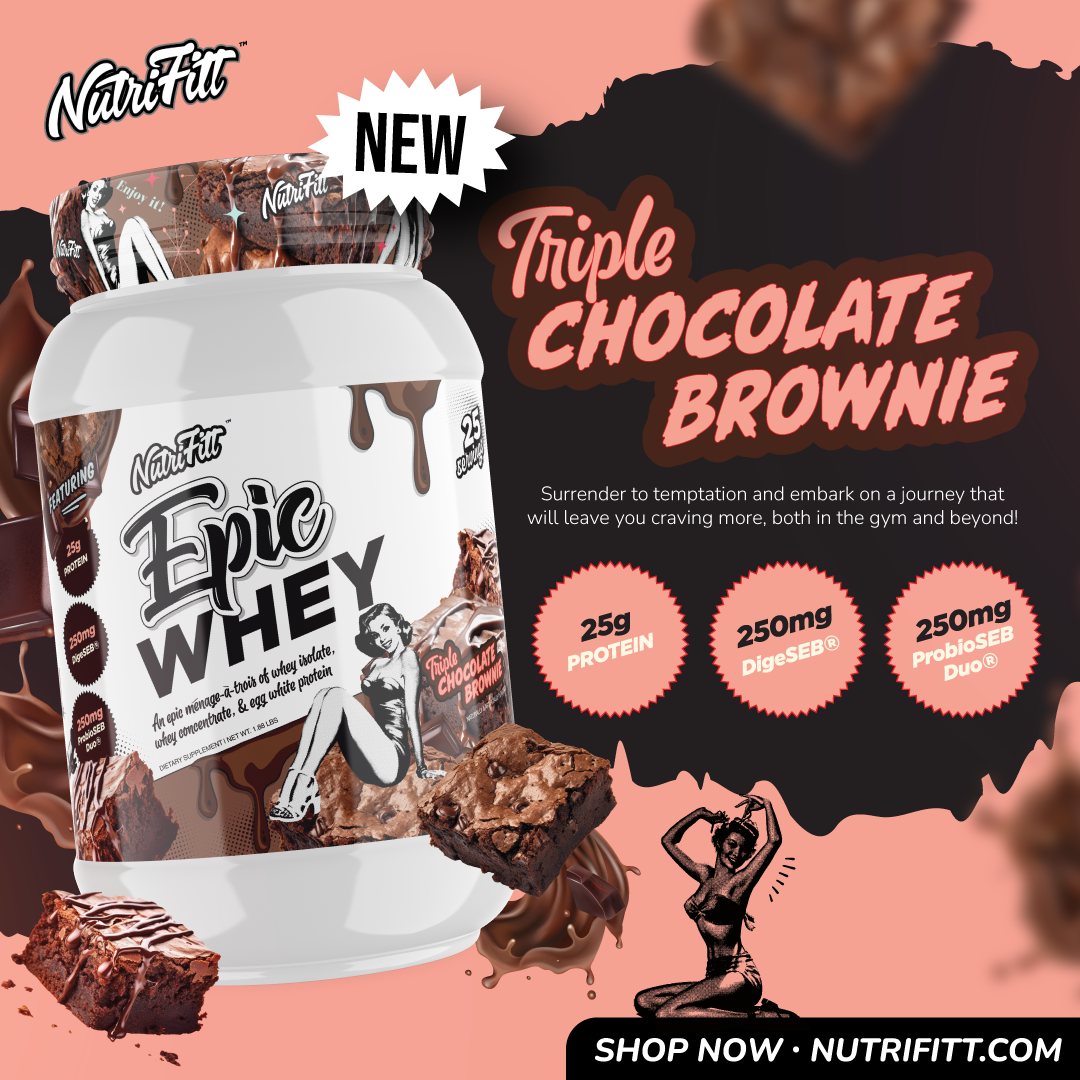
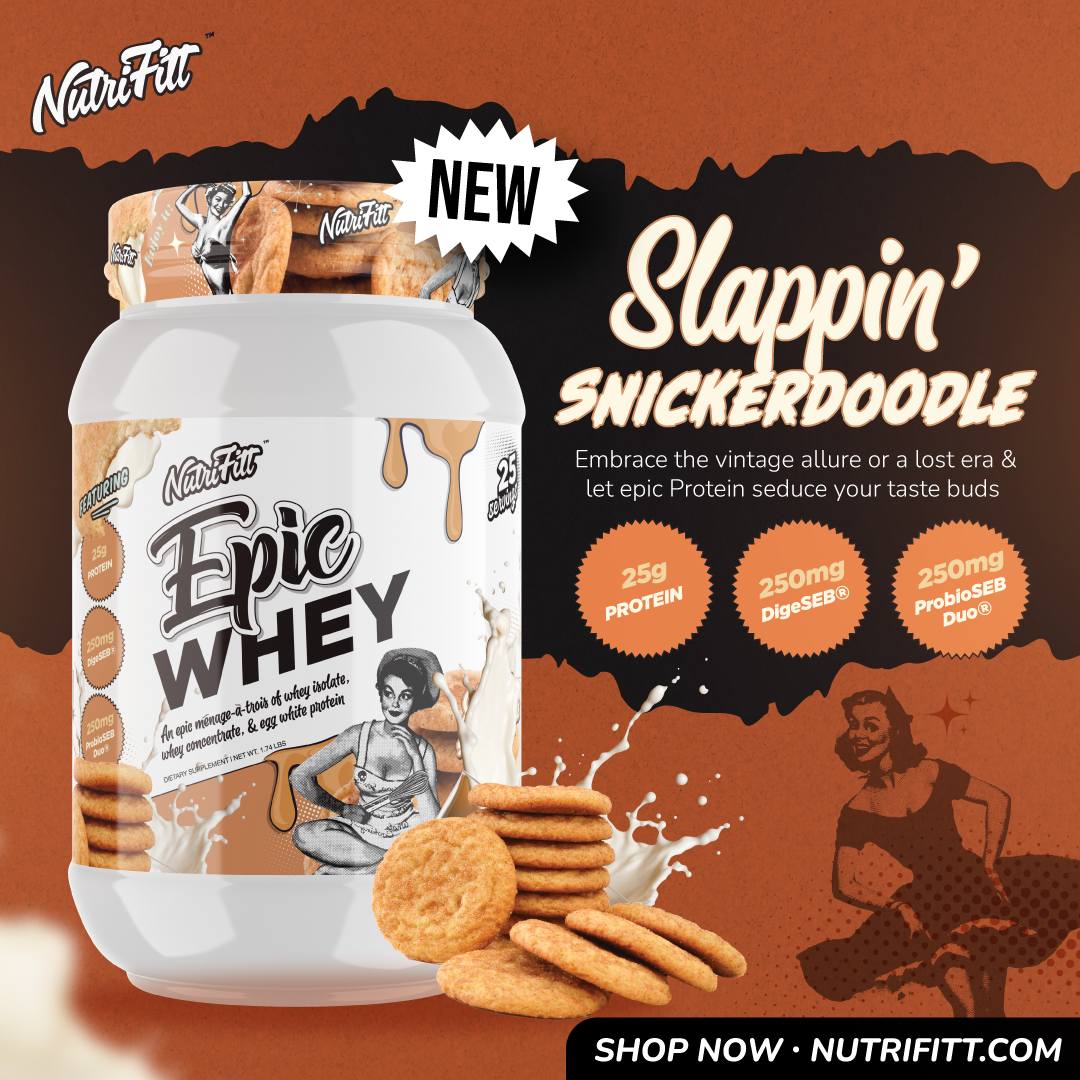
Take NutriFitt's EPIC Whey Protein, for example. It provides a complete amino acid profile with carefully selected ingredients, ensuring you're getting real recovery benefits instead of empty calories. Their focus on transparency and quality control also addresses concerns about counterfeit supplements.
Lastly, look for certifications and third-party testing. These extra checks ensure the product matches its label claims and protects you from the low-quality powders that have become a growing issue in the industry.
Understanding these quality markers can help you make informed decisions before considering any potential downsides.
Drawbacks to Consider
While protein powders are convenient and effective, there are a few drawbacks to keep in mind.
First, they can be pricey. Quality powders typically cost $1.00-$3.00 per serving, which can add up to $90-$270 a month. Compared to whole food proteins like eggs or chicken, powders often cost more per gram of protein. However, for many, the convenience justifies the expense.
Another consideration is the processing involved. Protein powders are heavily processed to achieve their powdered form, which, while great for quick absorption, moves away from the natural, whole foods humans have relied on for centuries.
Additionally, powders lack the extra nutrients found in whole foods. While they deliver protein efficiently, they don't provide the vitamins, minerals, fiber, and other beneficial compounds that come with whole foods. This makes them excellent supplements but poor replacements for a balanced diet.
Finally, there's the need for extra vigilance. Unlike whole foods, protein powders fall under lighter regulation, meaning consumers must research brands, read ingredient labels carefully, and stay updated on recalls or quality issues. This added responsibility can make them a bit more complicated to integrate into your diet.
Despite these considerations, protein powders remain a valuable tool for post-workout recovery when chosen wisely. Understanding their strengths and limitations allows you to use them effectively as part of a balanced nutrition plan.
Whole Foods: Pros and Cons
Whole foods offer a range of nutritional perks that can be highly beneficial for post-workout recovery.
Nutritional Benefits of Whole Foods
Whole foods provide a well-rounded nutrient package, including vitamins, minerals, fiber, and healthy fats, all of which contribute to muscle repair and overall health. For instance, a 6-ounce portion of salmon delivers about 40 grams of high-quality protein, along with omega-3 fatty acids, B vitamins, and selenium - key players in reducing inflammation and supporting metabolism. Similarly, Greek yogurt is packed with protein, calcium, and probiotics, which benefit both bone health and digestion. On top of that, whole foods come with antioxidants and phytonutrients that help combat oxidative stress and keep blood sugar in check.
Another standout advantage is their ability to keep you feeling full. Whole foods are typically more satisfying than processed supplements, which can help with appetite control - a big plus for those balancing muscle-building goals with weight management. Studies suggest that as long as protein needs are met, whole foods are just as effective for recovery while also delivering a wider variety of nutrients.
Challenges with Whole Foods Only
That said, relying solely on whole foods does have its drawbacks. One challenge is digestion speed. Whole foods generally take 2–3 hours to digest due to their fiber and fat content, which can slow down the delivery of nutrients.
Preparation time is another consideration. Cooking chicken, boiling eggs, or assembling a quinoa bowl requires planning, effort, and cleanup - steps that might not be practical right after a workout when time is tight.
Additionally, the lower protein density of whole foods means you may need to eat larger portions to hit the 25–30 grams of protein typically recommended for recovery. This can also lead to consuming more calories overall. Portability is another issue; fresh whole foods often need refrigeration and are less convenient to carry around compared to protein powders.
Cost can also be a factor. High-quality whole food protein sources tend to be more expensive and less travel-friendly than their powdered counterparts.
While these challenges exist, they don’t take away from the value of whole foods. Many athletes and fitness enthusiasts find that combining whole foods with protein powders strikes a good balance between nutrition and convenience. This sets the stage for a closer look at how protein powders compare in the next section.
sbb-itb-7567710
Protein Powders vs. Whole Foods: Side-by-Side Comparison
Let’s break down how protein powders and whole foods stack up when it comes to post-workout recovery. Below is a detailed comparison of the most important factors to consider.
Comparison Table: Key Factors
| Factor | Protein Powders | Whole Foods |
|---|---|---|
| Absorption Speed | Quick (30-60 minutes, especially whey) | Moderate to slow (2-3 hours) |
| Nutritional Completeness | Primarily protein; often lacks fiber and micronutrients | Packed with vitamins, minerals, fiber, and healthy fats |
| Convenience | Extremely high (portable, no prep or cleanup) | Lower (requires cooking, prep time, and cleanup) |
| Cost per Serving | $1.00-$2.00 | $0.75-$1.50 (chicken breast); varies by food type |
| Satiety | Lower (liquid, minimal fiber) | Higher (solid food with more fiber and volume) |
| Muscle Gain Support | Excellent (fast delivery of amino acids) | Excellent (balanced nutrition) |
| Weight Management | Good (precise calorie control) | Better (natural appetite regulation) |
| Portability | Excellent (easy to carry) | Poor (needs refrigeration and prep space) |
| Digestibility | Easy on the stomach when consumed quickly | May feel heavier; slower digestion post-workout |
On average, protein powders provide 20-25 grams of protein per serving at a cost of $1.00-$2.00. In comparison, a 3-ounce chicken breast delivers about 26 grams of protein for $0.75-$1.50.
Protein powders excel in speed, making them a go-to for rapid post-workout recovery. For those who need fast nutrient delivery after intense exercise, they’re hard to beat.
When to Choose Each Option
Protein powders are ideal when you’re short on time or need something portable and quick. They’re great for gym-goers looking for immediate recovery after training, busy professionals who need on-the-go nutrition, or anyone struggling to hit their daily protein goals through meals. NutriFitt emphasizes the convenience and fast absorption of its protein powders, designed to support recovery and performance when every minute counts.
Plant-based athletes should be aware that many plant protein powders are incomplete, meaning they may lack certain essential amino acids. Blending different plant protein sources or choosing high-quality formulations is crucial for optimal recovery.
Whole foods are the better choice when you have time to cook and want the most nutritional value. They’re great for overall health, weight management (thanks to their filling nature), and avoiding artificial ingredients. For active individuals aiming to get 10-20% of their daily calories from protein (roughly 50-100 grams on a 2,000-calorie diet), whole foods often feel more satisfying and sustainable.
If you’re watching your budget, whole foods like eggs (around $0.15-$0.25 each) often provide more protein per dollar compared to supplements.
Both protein powders and whole foods can help with muscle recovery if you hit the recommended 0.2-0.5 g/kg of protein post-workout. And while the "anabolic window" - the idea that you must eat protein immediately after exercise - has been somewhat debunked, the flexibility in timing means you can choose the option that best fits your schedule and lifestyle.
Practical Tips for Post-Workout Nutrition
Recovering after a workout isn’t just about resting your muscles - it’s about fueling them with the right nutrients. Combining fast-absorbing protein powders with nutrient-packed whole foods can be a game-changer. This approach ensures your body gets the immediate amino acids it needs while also benefiting from the sustained nutrition whole foods provide.
Using Both Protein Powders and Whole Foods
Start with a quick protein shake right after your workout, then follow it up with a nutrient-rich meal. Within 30 minutes of finishing your session, grab a protein shake to jumpstart muscle repair. During this time, your muscles are especially ready to absorb nutrients, making fast-digesting proteins like whey an excellent choice.
For post-workout protein, aim for 0.2–0.5 grams per kilogram of body weight. A typical scoop of whey protein delivers 20–25 grams, which fits nicely within this range. Pair your protein with simple carbohydrates in a 3:1 or 4:1 ratio to replenish glycogen stores and aid muscle recovery. For example, blend your protein powder with a banana, almond milk, or some berries to hit these macronutrient goals.
After your shake, within 1–2 hours, sit down for a balanced whole food meal. Include lean protein, complex carbs, and plenty of vegetables to cover the vitamins, minerals, and fiber that protein powders alone can’t provide. If you’re active, aim for 50–100 grams of protein daily, splitting your intake between shakes and whole foods.
For plant-based athletes, it’s important to ensure complete amino acid intake. Many plant protein powders lack certain essential amino acids, so opt for blends or mix different plant proteins throughout the day. Start with a protein shake, then follow up with a well-rounded meal to keep your recovery on track.
Post-Workout Meal and Shake Ideas
To simplify your recovery routine, here are some practical shake and meal ideas you can rely on.
-
Quick Shake (0–30 minutes post-workout):
Blend a high-quality whey protein powder, like NutriFitt's EPIC Whey, with a banana and unsweetened almond milk. This combination provides about 25 grams of protein and natural carbs to replenish glycogen. Prefer a different flavor? Try frozen berries and low-fat milk for added calcium and vitamin D. -
Follow-Up Meal (1–3 hours later):
Choose a hearty, nutrient-dense meal. Here are some options:- Grilled chicken breast with sweet potato and steamed broccoli: A classic combo of lean protein, complex carbs, and essential nutrients.
- Salmon, brown rice, and asparagus: A 4-ounce salmon fillet delivers around 28 grams of protein and omega-3 fatty acids, paired with fiber-rich brown rice and asparagus.
- Plant-based option: A black bean and quinoa bowl with avocado and mixed vegetables. Quinoa provides a complete protein source, while black beans add extra protein and fiber - about 20 grams of protein per cup.
-
Snack Idea:
Greek yogurt mixed with berries and a scoop of protein powder makes for a protein-packed snack, offering around 35–40 grams of protein along with probiotics and antioxidants.
Timing Flexibility:
While the 30-minute post-workout window is helpful for recovery, the overall focus should be on meeting your daily protein needs. If you miss the window, just make sure your next meal includes quality protein.
Don’t Forget Hydration:
Your post-workout shake can double as a hydration tool. Add water or coconut water to help replenish lost fluids and support nutrient delivery.
The key to success is consistency. Stick to combinations you enjoy and that fit your lifestyle, ensuring your recovery stays on track.
Conclusion: Finding Your Post-Workout Balance
Combining protein powders with whole foods can be a smart way to support your post-workout recovery. Each option has its strengths, and the best approach often depends on your personal goals, lifestyle, and daily routine.
Protein powders are perfect for convenience and delivering amino acids quickly - ideal when you're short on time. On the other hand, whole foods offer a broader range of nutrients, including vitamins, minerals, and fiber, which are essential for overall health and sustained muscle repair.
When it comes to protein strategies, consistency is what truly matters. While consuming 0.2–0.5 grams of protein per kilogram of body weight shortly after your workout can be helpful, your total daily intake is even more important. For those engaged in intense training, aiming for 1.2–2 grams per kilogram of body weight daily can help meet your recovery and performance needs.
If you're constantly on the move or struggle to meet your protein goals through meals alone, a high-quality protein powder can be a practical solution. For those who enjoy cooking and meal prep, whole foods can serve as the foundation of your recovery plan, with protein powders stepping in as a helpful supplement when needed.
Products like NutriFitt's EPIC Whey are scientifically designed to fit seamlessly into a balanced recovery routine, offering a reliable way to meet your protein needs.
Ultimately, the best post-workout nutrition plan is one you can stick with. Whether that means starting with a quick shake and following up with a balanced meal or focusing on whole foods with occasional supplementation, a mix of fast-digesting powders and nutrient-packed meals can keep your recovery and performance on track. This balanced approach supports not just your athletic goals but your long-term health and well-being.
FAQs
What’s the best way to balance protein powders and whole foods for post-workout recovery?
Finding the right mix of protein powders and whole foods largely depends on your fitness goals, daily routine, and personal tastes. Protein powders are incredibly handy when you're pressed for time or need a quick, efficient protein boost after a workout. They’re particularly useful for aiding muscle repair and recovery if consumed within 30 to 60 minutes after exercise.
On the flip side, whole foods offer more than just protein. They come packed with essential nutrients like vitamins, minerals, and fiber, which are key for overall health. Including options like lean meats, eggs, dairy, or plant-based proteins alongside complex carbs can help restore your energy and support recovery over the long haul. Combining the convenience of protein powders with the nutrient-rich benefits of whole foods can help you meet your body’s needs in a balanced and effective way.
What should I consider when choosing a protein powder for safe and effective post-workout recovery?
When picking a protein powder to boost your post-workout recovery, focus on quality and safety. Start by checking the label for protein content, ensuring it has minimal added sugars and is free from harmful additives or fillers. High-quality ingredients backed by scientific research should be a priority.
Choose a protein type that fits your dietary preferences or restrictions - whether it’s whey, plant-based, or collagen protein. Also, verify that the product has been tested for purity and safety. Sticking to a reputable brand that prioritizes performance and recovery can help you stay on track with your fitness goals.
Should I stick to whole foods for post-workout recovery, or do I need protein powders for the best results?
Both whole foods and protein powders can play a key role in post-workout recovery, but which one works best for you depends on your personal routine, taste, and fitness goals. Whole foods like chicken, eggs, and beans are packed with protein and come with a host of other nutrients that benefit overall health. The downside? They often take a bit more time and effort to prepare and eat.
Protein powders, on the other hand, offer a quick and convenient solution. They’re easy to prepare and are absorbed faster by the body, making them a great choice if you're short on time or need a fast post-workout protein boost. Drinking a protein shake within 30–60 minutes after exercising can help kick-start muscle repair and recovery.
For the best results, you don’t have to choose one over the other. Combining whole foods with a high-quality protein powder can give you the best of both worlds, helping you meet your nutritional needs efficiently.
Latest Posts

How Ashwagandha Supports Testosterone Levels
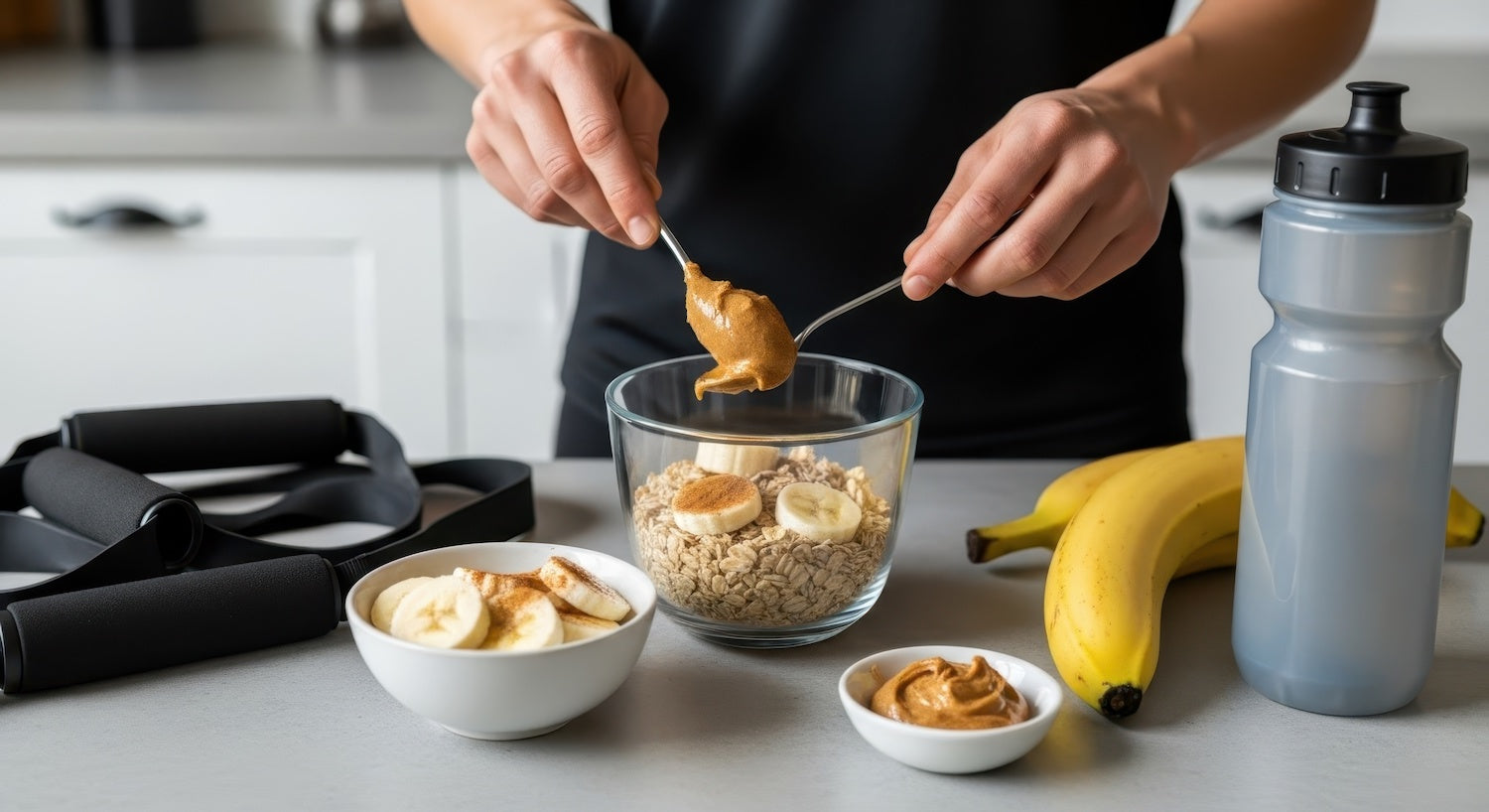
10 Best Natural Pre-Workout Ingredients

Best Electrolyte Supplements for Fitness Goals

Best Nootropics for Productivity in 2026

Top 5 Sleep Hygiene Practices for Athletes

5 Best Pre-Workouts for Pump

The 30-Minute Body That Beats the 2-Hour One
Short, high-intensity 30-minute workouts can deliver equal or better cardio, strength, and fat-loss results than long sessions.

Checklist for Choosing Clean Label Certified Supplements
Checklist to verify certifications, ingredient transparency, batch COAs, GMP compliance, and bioavailable forms in clean-label supplements.