


How Antioxidant Blends Improve Recovery
Key Points:
- Oxidative Stress: Exercise produces free radicals that can damage cells. Antioxidants neutralize these and protect muscle tissue.
- Inflammation: Polyphenols and plant extracts reduce inflammation and muscle soreness, aiding quicker recovery.
- Immune Support: Hard training can weaken immunity; antioxidants help keep it strong.
- Timing Matters: For best results, take antioxidants within 30-60 minutes post-workout or consistently during intense training phases.
NutriFitt offers products like Regenesis Advanced Organ Support and EPIC Greens to simplify supplementation and support recovery. Pair supplements with a diet rich in fruits and vegetables for balanced nutrition. However, avoid over-supplementing, as excessive antioxidants can interfere with your body's natural response to exercise.
How Antioxidant Blends Support Post-Workout Recovery
After a tough workout, your body faces a series of challenges that antioxidant blends can help manage. These blends play a key role in muscle repair and recovery by addressing three primary areas.
Fighting Oxidative Stress
Intense exercise ramps up oxygen use and metabolic activity, leading to a spike in free radicals - unstable molecules that can harm your cells, proteins, and even DNA. Left unchecked, these free radicals can delay recovery and damage muscle cells. Antioxidant blends, packed with nutrients like vitamin C, vitamin E, polyphenols, and carotenoids, work to neutralize these harmful molecules. By doing so, they help protect muscle cells and speed up recovery. For instance, a Japanese study on Twendee X found that mice given the supplement showed better muscle durability, ran longer on treadmills, and had lower levels of aspartate aminotransferase, a marker of muscle damage.
Reducing Inflammation and Muscle Soreness
Inflammation and muscle soreness are common after exercise, but they can slow down your progress. Antioxidant blends help by reducing inflammation and markers of muscle damage, which promotes quicker tissue repair. Supplements rich in polyphenols, for example, have been shown to lower inflammation and ease delayed onset muscle soreness (DOMS). A meta-analysis of 45 studies involving 1,047 participants revealed that antioxidant supplements provided modest relief from muscle soreness, with a slight but noticeable reduction in pain 48 hours after exercise. While the difference - about –0.17 on a 0-10 pain scale at 24 hours - may seem small, even minor relief can make a big difference for athletes aiming to stay consistent.
Supporting Immune Function
Hard training sessions can temporarily weaken your immune system, leaving you more vulnerable to illness. Antioxidant blends help counter this by reducing oxidative stress and inflammation, both of which can impair immune cell function. By neutralizing free radicals and calming inflammation, these blends help keep your immune system strong - critical for anyone striving for consistent performance.
One standout example is NutriFitt's Regenesis Advanced Organ Support, launched in June 2025. This formula is designed to support not only recovery but also total organ, cardiovascular, and immune health while tackling inflammation. It's a great option for athletes looking to optimize their daily routine.
Key Antioxidants in Recovery Blends
Antioxidants play a crucial role in helping muscles repair and recover faster. Recovery blends often combine vitamins, plant compounds, and natural extracts to counteract exercise-induced damage and support muscle healing. Let’s take a closer look at how individual antioxidants contribute to this process.
Vitamin C and Vitamin E
Vitamin C is vital for collagen production, which is essential for repairing connective tissues and muscles. It also helps neutralize free radicals. On the other hand, vitamin E safeguards muscle cell membranes from oxidative stress and assists in cellular repair. Studies suggest that taking 1,000 mg of vitamin C alongside 378 mg of mixed tocopherols (a group of vitamin E compounds) for 14 days before intense exercise can significantly boost plasma antioxidant levels. This indicates that the right dosage and timing can help the body better handle exercise-induced stress.
Polyphenols and Plant Extracts
Polyphenols, such as quercetin and curcumin, are known for their anti-inflammatory and antioxidant properties. These compounds can ease muscle soreness and reduce markers of muscle damage after intense workouts. For instance, extracts from tart cherries and pomegranates have been found to decrease delayed onset muscle soreness (DOMS) and speed up recovery.
Carotenoids and Other Natural Compounds
Carotenoids like beta-carotene, lutein, and astaxanthin protect muscle cells from oxidative stress, aid immune function, and help reduce inflammation. They also contribute to maintaining muscle strength over time. When paired with compounds like Coenzyme Q10 - which supports cellular energy production and provides antioxidant protection - carotenoids create a more comprehensive defense system for muscle recovery.
sbb-itb-7567710
Adding Antioxidant Blends to Your Fitness Routine
To get the most out of antioxidant blends, it’s all about timing, proper dosage, and fitting them seamlessly into your nutrition plan. The goal? A sustainable routine that works with your training schedule without overloading your body.
Timing and Dosage Guidelines
Start using antioxidants 1-2 weeks before intense training and continue through your recovery phase. This helps create a protective buffer of antioxidants in your system.
After your workouts, aim to take your antioxidant blend within 30-60 minutes. This is when your muscles are most vulnerable to oxidative damage. During this period, your body is actively repairing muscle tissue and neutralizing free radicals produced during exercise.
A good starting point is 1,000 mg of vitamin C paired with 378 mg of mixed tocopherols daily. This combination can boost plasma antioxidant levels while reducing markers of muscle damage. That said, individual needs will vary depending on factors like training intensity, body weight, and fitness goals.
Be cautious with high doses - taking too much can interfere with your body’s natural ability to adapt to training. Stick to recommended amounts and adjust based on how your body feels.
For the best results, combine these supplements with a nutrient-rich diet.
Combining Antioxidants with a Balanced Diet
Supplements work best when paired with antioxidant-rich foods. Incorporate options like berries, leafy greens, and colorful vegetables into your meals to support recovery.
For example:
- Snack on berries before your workout.
- Blend spinach into a post-workout protein shake.
- Add nuts and seeds to meals for fat-soluble antioxidants.
This approach ensures your body gets a steady supply of nutrients throughout the day, enhancing recovery and performance.
Using NutriFitt Products for Recovery
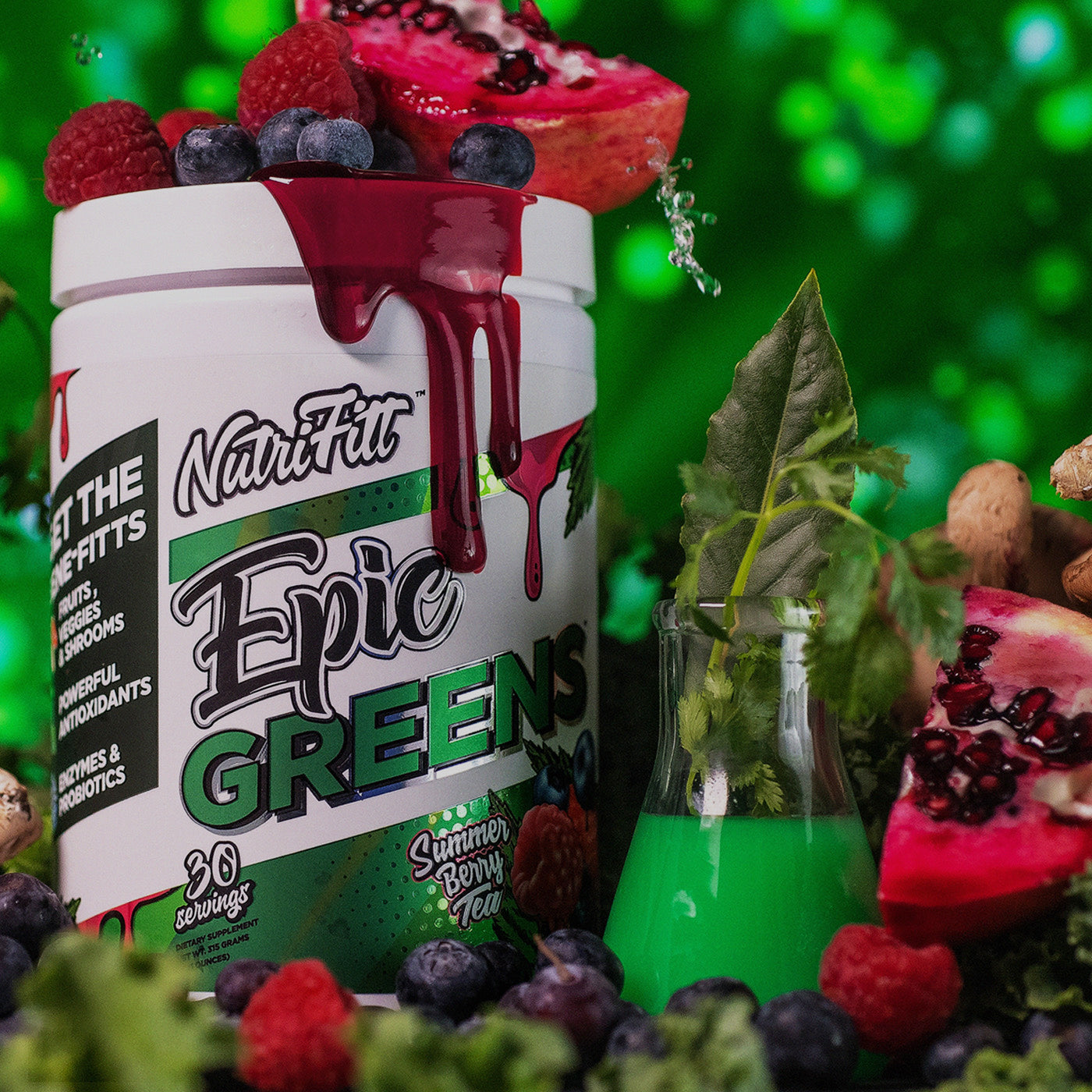
NutriFitt offers a range of products designed to simplify antioxidant supplementation. EPIC Greens, for instance, combines plant-based antioxidants, vitamins, and minerals to help combat oxidative stress and support immunity during periods of intense training. It’s a convenient way to cover your antioxidant needs.
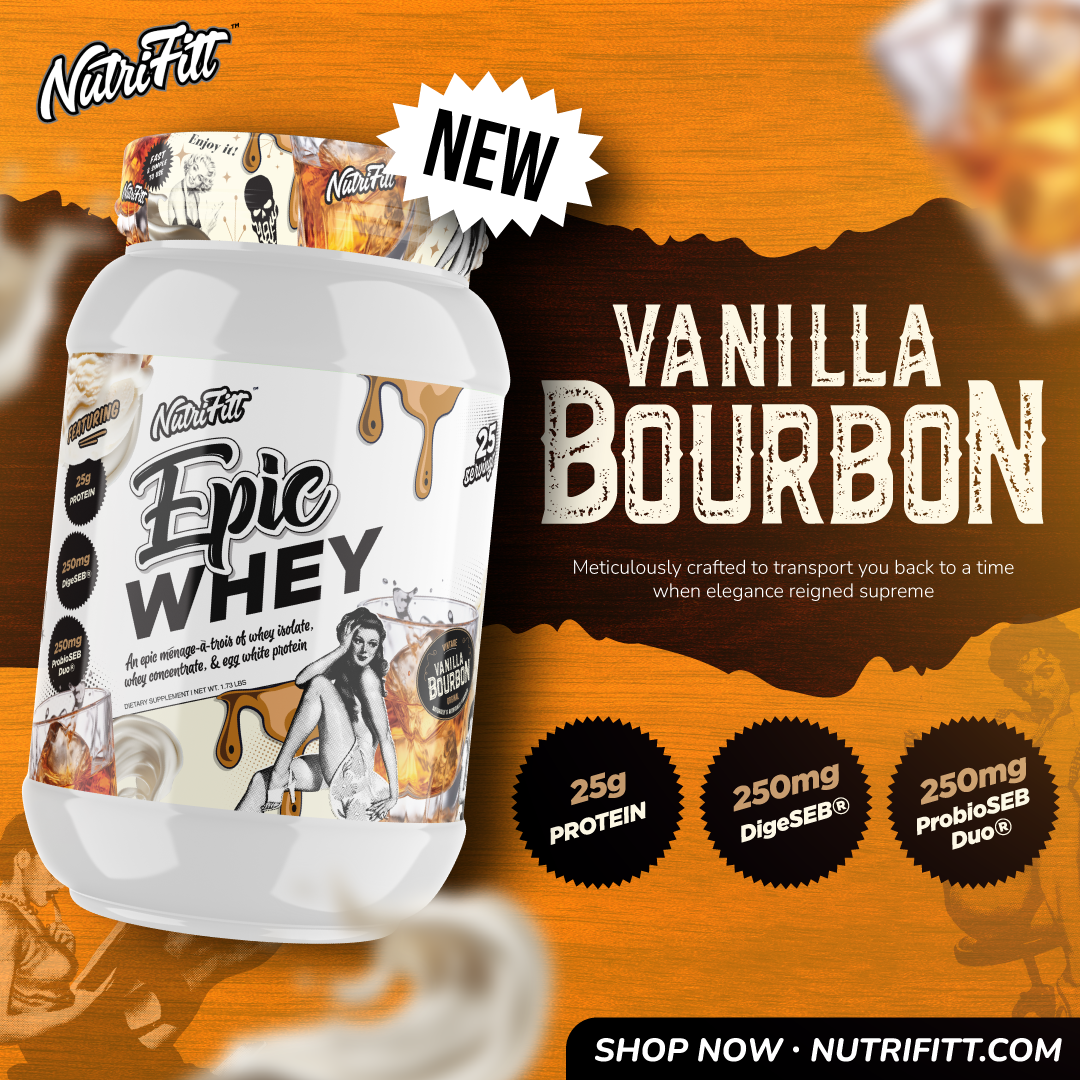
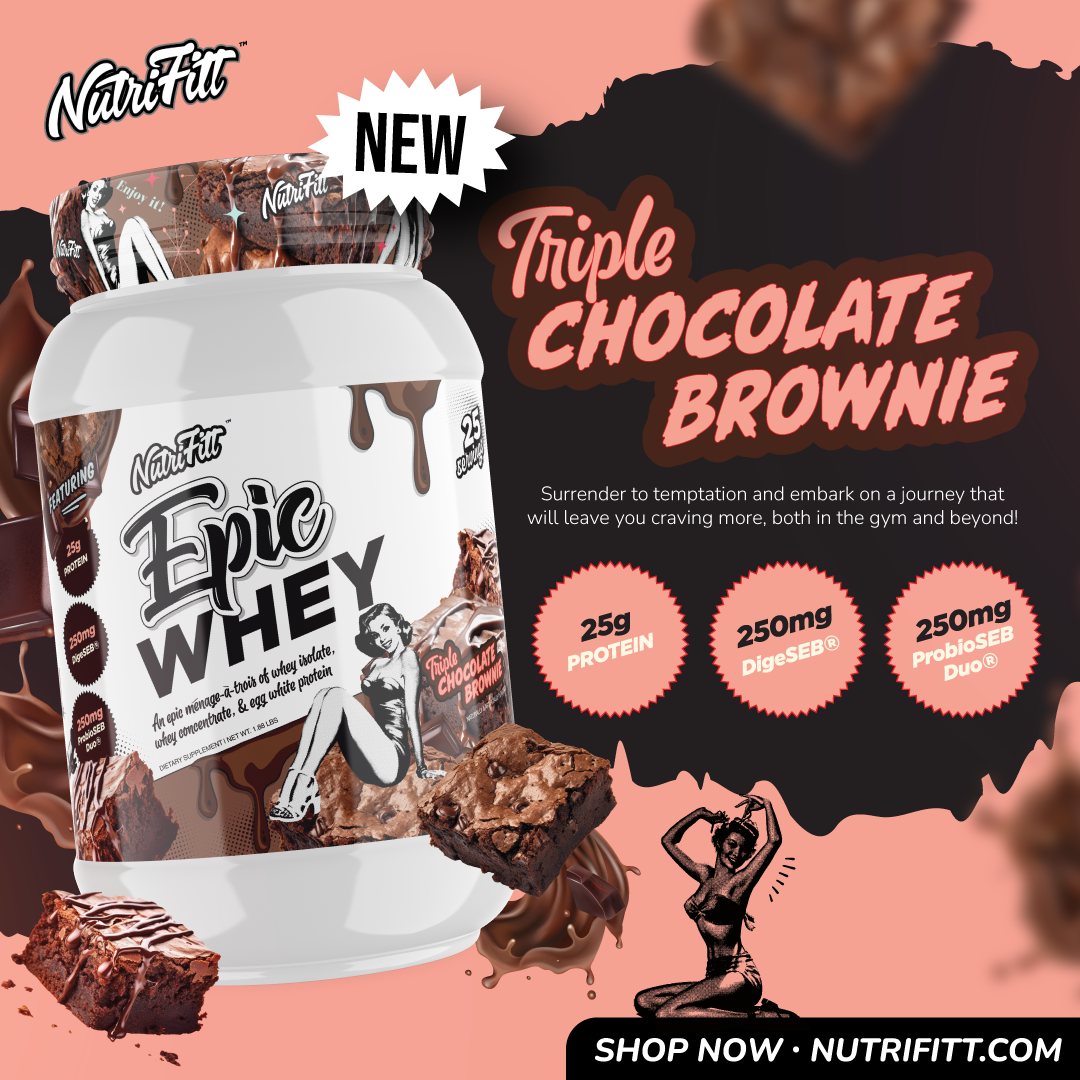
For post-workout recovery, NutriFitt’s EPIC Whey protein powder includes added antioxidants, giving you a dual-purpose shake that supports both muscle repair and oxidative stress management. This makes it easy to address two recovery needs in one step.
Here’s a simple routine:
- Mix EPIC Greens into your morning smoothie for all-day antioxidant support.
- Use an antioxidant-enhanced protein shake, like EPIC Whey, after your workout to replenish nutrients and aid recovery.
The secret isn’t perfection - it’s consistency. By building a steady supplement habit, you’ll ensure your body gets the antioxidant support it needs without complicating your daily routine.
Safety and Research Considerations
For athletes aiming to improve recovery, it's important to weigh both the potential benefits and risks of antioxidant supplements. While some evidence supports their use, results can vary, and understanding the nuances can help you make smarter decisions.
Research-Backed Benefits
Animal studies have often shown more encouraging outcomes than human trials. For example, research on antioxidant blends containing compounds like Coenzyme Q10 and amino acids has demonstrated improvements in cognition and muscle durability in mice.
However, applying these findings to humans has proven tricky. While studies suggest antioxidant-rich supplements may reduce muscle damage and aid recovery, evidence for their impact on actual performance remains inconsistent at best.
Muscle soreness, a common reason people turn to antioxidants, sees only slight improvements. A systematic review found small reductions in soreness after exercise, with changes ranging from -0.05 to -0.30 on standardized scales. Importantly, these differences fell below the threshold for being clinically meaningful.
For instance, soreness was slightly reduced at 6 hours (-0.52 on a pain scale) and at 48 hours (-0.41), but researchers concluded these effects were too minor to make a noticeable difference.
The bottom line? Antioxidants might help reduce oxidative stress and inflammation, offering modest recovery support. However, more high-quality human studies are needed to fully understand their benefits. Proper dosing also plays a critical role in maximizing potential effects.
Risks of Taking Too Much
Overdoing antioxidants can actually hinder your fitness progress. Your body relies on a certain amount of oxidative stress to adapt and grow stronger from training.
High doses of antioxidants might interfere with this natural process, potentially blunting the benefits of exercise. Prolonged, high-dose supplementation could disrupt the balance needed for effective cellular adaptation. For instance, megadoses of isolated antioxidants like vitamin C or E have shown no added benefits and may even pose risks, underscoring the importance of sticking to recommended amounts.
Moderation is key. While moderate supplementation is generally safe, no evidence taking more leads to better results. This highlights the need for a balanced approach, which we'll explore next.
Balancing Supplements with Natural Sources
Whole foods should always come first. Supplements are meant to complement - not replace - a nutrient-rich diet that provides antioxidants in their natural, synergistic forms.
During periods of intense training, when dietary intake might fall short, supplements can offer additional support. Combining them with a diet rich in antioxidant-packed foods ensures you get a wide range of bioactive compounds while reducing the risk of over-supplementation.
| Approach | Benefits | Risks/Limitations |
|---|---|---|
| High-dose supplements | May reduce oxidative stress | Can hinder training adaptations; limited recovery benefits |
| Whole food sources | Broad nutrient support; lower risk of excess | May be less convenient than supplements |
| Blended antioxidant products | Potential for combined effects | Limited human evidence; safety not fully established |
There are no universal guidelines for when and how much of these supplements to take, as individual factors like age, fitness level, and exercise type all play a role. Always follow product-specific instructions, avoid exceeding recommended daily values, and consult a healthcare professional before starting any new supplement, especially if you're combining products or have preexisting health conditions.
Striking the right balance between supplementation and natural sources is essential for supporting recovery while avoiding any negative effects on your training progress.
Conclusion
Key Takeaways
Antioxidant blends can play a helpful role in post-workout recovery. Studies suggest these supplements may reduce oxidative stress and muscle damage, with recovery benefits varying based on factors like fitness level, age, and exercise intensity.
The primary advantage lies in their ability to counteract the effects of intense training. Hard workouts naturally increase oxidative stress, and antioxidant blends help balance this process while also supporting immune health during recovery. Although the reduction in muscle soreness is often modest - ranging from –0.13 to –0.30 on standardized scales - consistent training makes even small improvements meaningful.
To get the most out of these supplements, it’s important to use them thoughtfully - typically after exercise - and pair them with a diet rich in natural antioxidants from fruits and vegetables. This balanced approach helps maximize recovery benefits while avoiding the downsides of over-supplementation, which can interfere with your body’s natural adaptation to training.
While whole foods should remain your primary source of nutrients, antioxidant blends can help fill in the gaps during periods of intense training when your dietary intake might not fully meet your needs.
These insights highlight how well-designed supplements can complement a smart recovery strategy.
NutriFitt's Commitment to Supporting Recovery
NutriFitt aligns with these recovery principles by offering scientifically crafted solutions tailored to the needs of athletes and fitness enthusiasts. From preparation to recovery, NutriFitt provides comprehensive support to help you stay on track with your fitness goals.
What makes NutriFitt stand out is its focus on delivering real results rather than relying on flashy marketing. Backed by solid nutritional science, its products are designed to enhance recovery without disrupting your body’s natural processes, giving you tools to progress sustainably.
Whether your aim is to reduce post-workout fatigue, boost immune function during demanding training phases, or refine your recovery routine, NutriFitt’s carefully selected ingredients work in harmony with your efforts to support long-term fitness success.
FAQs
How do antioxidant blends help reduce muscle soreness and inflammation after exercise?
Antioxidant blends are an effective way to help tackle muscle soreness and inflammation after intense workouts. During heavy exercise, your body produces free radicals, which can lead to oxidative stress - something that contributes to muscle damage and slows down recovery.
Adding antioxidant-rich supplements to your routine could support your body’s natural recovery process, ease post-workout discomfort, and even speed up recovery times. Common ingredients like vitamin C, vitamin E, and polyphenols are often included in these blends, thanks to their well-researched ability to fight oxidative stress.
Can taking too many antioxidant supplements negatively affect your body’s natural recovery, and how can you safely use them?
Yes, taking too many antioxidant supplements can actually interfere with your body’s natural recovery processes. While antioxidants are known for fighting oxidative stress and aiding recovery, overloading on them may upset the balance of free radicals. These free radicals aren’t all bad - they play a role in important functions like muscle repair and adaptation after exercise.
To keep things in check, focus on getting antioxidants from a well-rounded diet packed with fruits, vegetables, and whole foods. If you decide to use supplements, make sure to stick to the recommended doses and consult a healthcare professional to ensure they fit your fitness goals and overall health. The key is moderation - this way, you can enjoy the benefits without disrupting your body’s natural rhythm.
How can I add antioxidant-rich foods to my diet to enhance recovery and complement supplements like NutriFitt's products?
Incorporating foods loaded with antioxidants into your diet can play a key role in recovery and work hand-in-hand with fitness supplements. Options like berries, spinach, kale, nuts, and dark chocolate are rich in antioxidants, which help fight oxidative stress caused by intense exercise. Adding these to your daily routine can aid in quicker recovery and support your overall health.
For instance, you might sprinkle some berries over your oatmeal in the morning, blend spinach or kale into a smoothie, or savor a small piece of dark chocolate after dinner. Pairing these nutritious foods with scientifically crafted supplements, such as those offered by NutriFitt, can help you maximize both recovery and performance.
Latest Posts

How Ashwagandha Supports Testosterone Levels
10 Best Natural Pre-Workout Ingredients
Best Electrolyte Supplements for Fitness Goals

Best Nootropics for Productivity in 2026

Top 5 Sleep Hygiene Practices for Athletes

5 Best Pre-Workouts for Pump

The 30-Minute Body That Beats the 2-Hour One
Short, high-intensity 30-minute workouts can deliver equal or better cardio, strength, and fat-loss results than long sessions.
Checklist for Choosing Clean Label Certified Supplements
Checklist to verify certifications, ingredient transparency, batch COAs, GMP compliance, and bioavailable forms in clean-label supplements.