


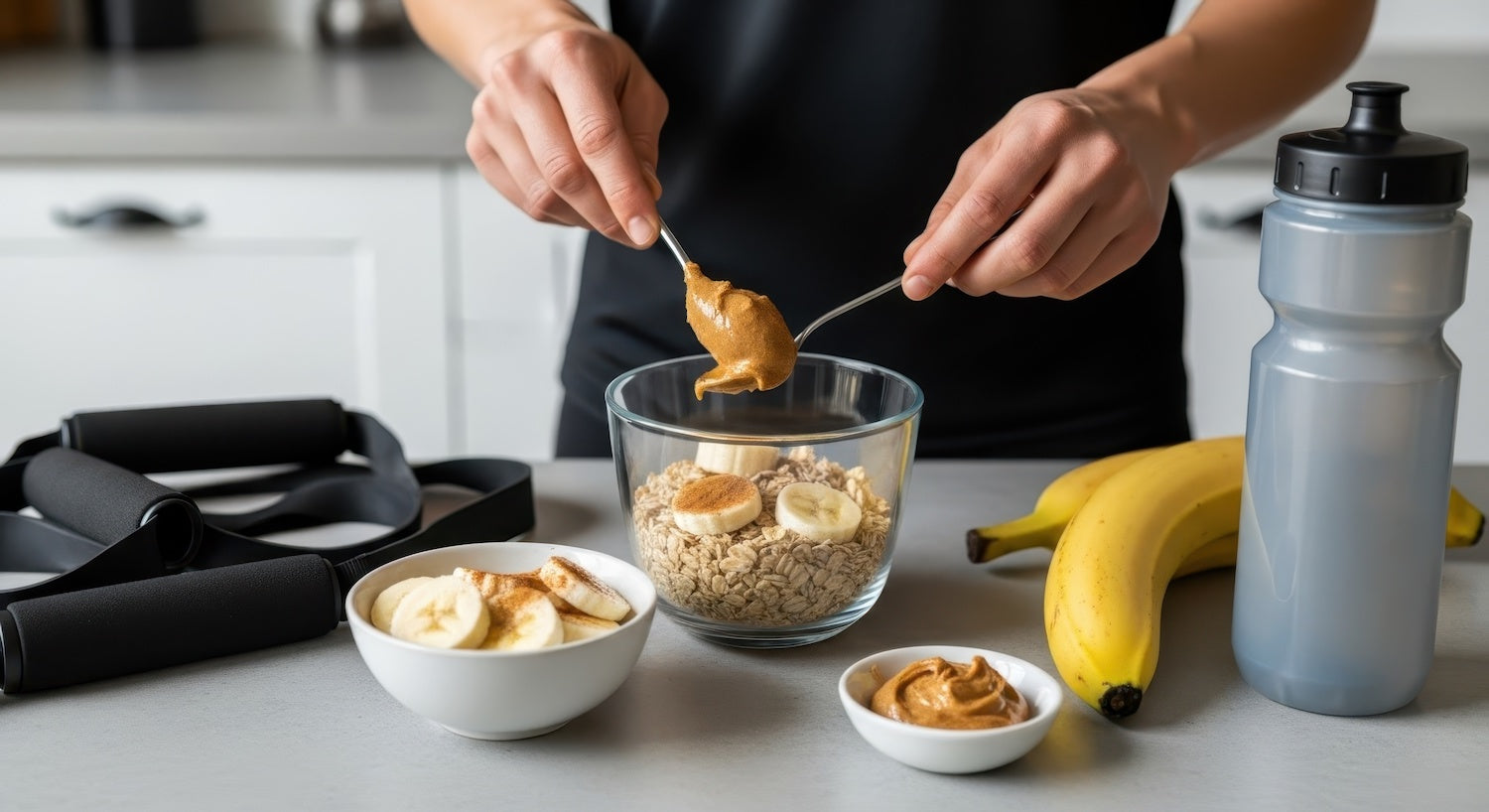
10 Best Natural Pre-Workout Ingredients
Looking to fuel your workouts naturally? Here's your quick guide to the top 10 natural pre-workout ingredients that boost energy, focus, and performance - minus the artificial additives. From beetroot for improved blood flow to caffeine for endurance, these ingredients deliver clean, effective results.
Key Highlights:
- Beetroot: Enhances blood flow and delays fatigue with nitrates.
- Caffeine (Coffee/Green Tea): Reduces effort perception and boosts endurance.
- Citrulline Malate: Improves oxygen delivery and muscle recovery.
- Banana: Quick energy source with carbs and potassium.
- Creatine Monohydrate: Increases strength and short-burst energy.
- Beta-Alanine: Buffers muscle fatigue for intense workouts.
- Ashwagandha: Balances energy and stress for mental clarity.
- Ginger: Speeds up muscle strength recovery.
- Matcha: Provides steady energy with antioxidants.
- Oats: Sustained energy from complex carbs and fiber.
These ingredients work best when consumed at the right time and dosage. Whether you're lifting heavy, running long distances, or recovering post-workout, there's a natural option for every goal. Keep reading for detailed insights on how to use each ingredient effectively.
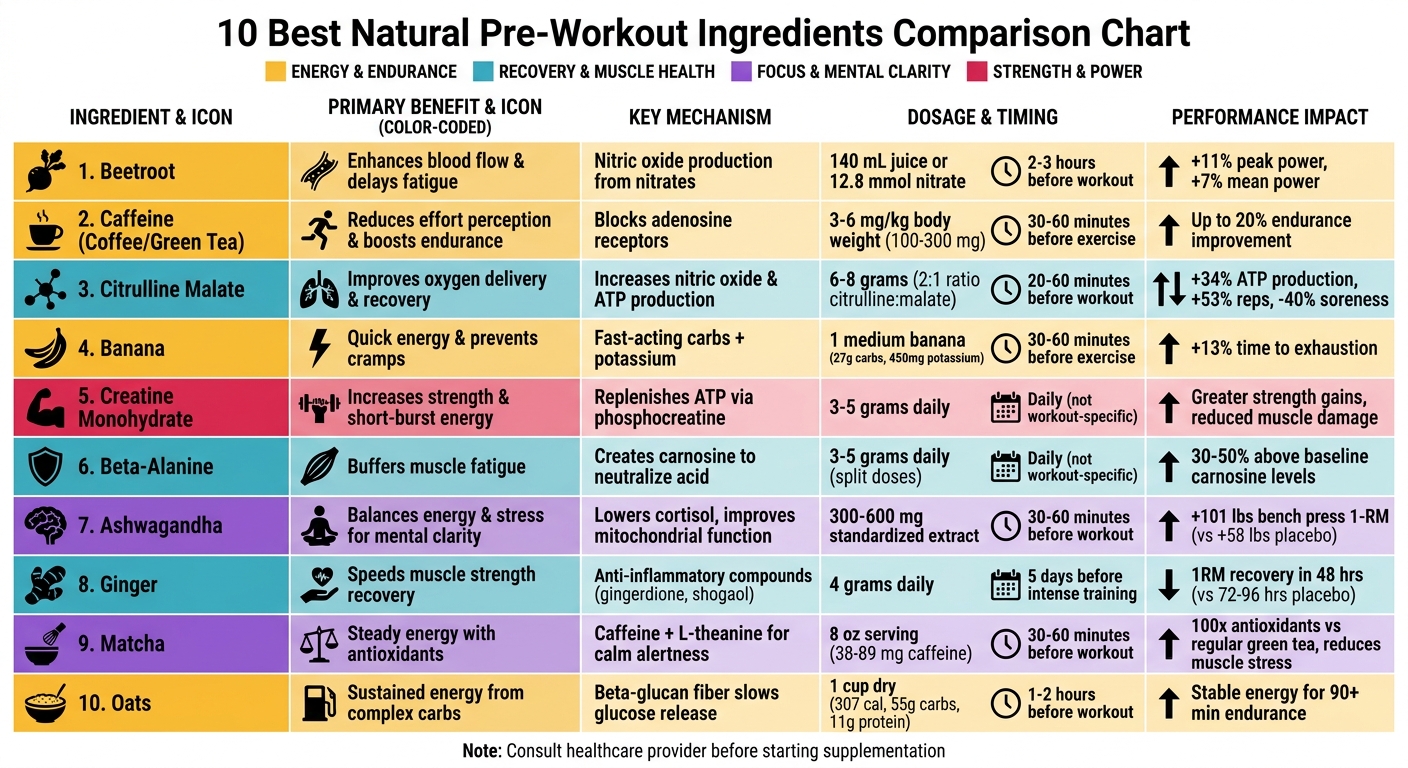
10 Natural Pre-Workout Ingredients: Benefits, Dosage, and Timing Guide
1. Beetroot
Beetroot is a standout natural ingredient for pre-workout routines, thanks to its proven impact on exercise performance. Packed with inorganic nitrates, it helps your body produce nitric oxide - a molecule that relaxes blood vessels and improves blood flow.
Energy Boosting Properties
Beetroot enhances energy levels by improving mitochondrial efficiency, which lowers oxygen demand during workouts and delays fatigue. For instance, a July 2024 study involving 16 male football players from the Sakaryaspor Football Club U-19 team demonstrated this effect. Consuming 140 mL of beetroot juice (containing 12.8 mmol of nitrate) 2–3 hours before a 30-second Wingate test led to an 11% increase in peak power, jumping from 720.33 W to 803.50 W. Mean power output also rose by 7%, from 541.23 W to 581.42 W.
To maximize benefits, consume beetroot juice or powder 2–3 hours before your workout. This timing allows plasma nitrite levels to peak (roughly 5.0–8.5 mmol nitric oxide, equivalent to two concentrated shots). Avoid antibacterial mouthwash or chewing gum for 24 hours beforehand, as oral bacteria are crucial for converting nitrate into nitrite.
Besides boosting energy, beetroot plays a key role in improving muscle performance and recovery.
Muscle Performance and Recovery Benefits
Beetroot enhances muscle performance by promoting calcium release and maintaining phosphocreatine levels, which supports explosive movements. One study highlighted that athletes experienced about 10% higher muscle oxygen saturation and 13% lower deoxygenated hemoglobin levels after exercise compared to a placebo group.
"This conversion enhances blood flow and oxygen delivery, reducing oxygen cost during exercise." – Scientific Reports
For even greater results, beetroot can be combined with L-citrulline to amplify nitric oxide production and improve the muscle pump. Be aware of a harmless side effect called beeturia, which can cause pink or red discoloration in urine or stool.
sbb-itb-7567710
2. Caffeine from Coffee or Green Tea
Caffeine is a key ingredient in pre-workout formulas, found in approximately 86% of them. It works by blocking adenosine receptors in the central nervous system, which helps reduce the perception of effort and fatigue. While caffeine doesn’t actually increase energy, it makes physical activity feel less taxing.
Energy-Boosting Properties
Taking caffeine 30–60 minutes before exercise can improve endurance by up to 20% during workouts lasting 1–2 hours. The ideal dosage falls between 3–6 mg per kilogram of body weight, which translates to about 1–3 cups of coffee (100–300 mg of caffeine). For instance, a person weighing 180 pounds would need roughly 246–492 mg of caffeine to see these benefits.
Green tea is a natural caffeine source that also contains L-theanine. This combination not only boosts energy but also reduces jitters, enhancing focus and reaction time. This makes it an excellent option for maintaining mental sharpness during workouts.
Support for Focus and Mental Clarity
Beyond improving endurance, caffeine also enhances mental clarity. It sharpens alertness, memory, and motivation, which can be particularly useful during high-intensity training. Sports dietitian Kelli Santiago, RD, explains:
"I usually tell people they can pass up the pre-workout for 1 to 2 cups of black coffee. That gives you 90 to 180 mg of caffeine – arguably the most effective ingredient in most pre-workouts – without any extra ingredients." – Kelli Santiago, RD, Board-certified Sports Dietitian, University Hospitals
For the best results, a 2:1 ratio of L-theanine to caffeine (e.g., 200 mg L-theanine with 100 mg caffeine) is recommended. This pairing enhances focus while minimizing anxiety. To avoid side effects like tremors or heart palpitations, it’s wise to keep daily caffeine intake under 7 mg per kilogram of body weight. Additionally, cycling off caffeine for 7–14 days every so often can help prevent tolerance and maintain its effectiveness.
Caffeine’s ability to boost both energy and focus makes it an essential natural ingredient that works well alongside other pre-workout components for a well-rounded performance boost.
3. Citrulline Malate
Citrulline malate is a natural pre-workout compound that combines the amino acid citrulline with malic acid. Together, they enhance energy levels and muscle performance. By increasing nitric oxide production and bypassing common absorption challenges, it helps widen blood vessels, improving oxygen and nutrient delivery to muscles during exercise.
Energy-Enhancing Effects
The malic acid in citrulline malate plays a critical role in the Krebs cycle, which is how your body generates energy during physical activity. Research shows that taking 6 grams of citrulline malate daily can boost oxidative ATP production by 34%. Additionally, it helps clear ammonia from the body, which reduces muscle fatigue and allows for longer, more effective workouts.
On top of its energy-boosting capabilities, citrulline malate also aids in post-workout recovery.
Muscle Performance and Recovery Support
Citrulline malate accelerates phosphocreatine recovery by 20%, allowing muscles to recover more quickly between intense sets. A 2010 study revealed that taking 8 grams of citrulline malate increased the number of repetitions by 53% and reduced muscle soreness by 40% at both 24 and 48 hours after exercise.
"Citrulline malate facilitates the release of nitric oxide, increases your body's natural energy adenosine triphosphate (ATP), and promotes muscle protein synthesis, making it one of the best pre-workout ingredients" – Walter Hinchman, CEO of Swolverine.
For best results, aim for a dose of 5–8 grams, taken 20–60 minutes before your workout. Look for products with a 2:1 ratio of citrulline to malate, as this formulation has been shown to be effective in research.
4. Banana
Bananas, following powerhouse ingredients like citrulline malate, provide a quick, nutrient-packed energy boost. A medium banana contains 27 g of carbs and 3 g of fiber, offering fuel for your muscles while ensuring a steady release of glucose. This helps avoid blood sugar spikes and crashes.
Energy Boosting Properties
Bananas are an excellent source of pre-workout energy. Research indicates that consuming carbs just 15 minutes before exercise can extend time to exhaustion by nearly 13%. Ripe bananas, with their simple carbs and low fat content, are easy to digest and unlikely to cause stomach discomfort during intense workouts. Eating one 30–60 minutes before exercising ensures your body has a ready supply of glucose for energy, enhancing both mental focus and muscular endurance.
Support for Focus and Mental Clarity
Bananas don’t just fuel your body - they also support your brain during workouts. A medium banana contains approximately 450 mg of potassium, which is about 10–14% of your daily needs. Potassium plays a key role in nerve function and helps regulate the electrical signals between your brain and muscles during physical activity.
"Bananas are also a source of carbohydrates, making them a perfect pre-workout snack for an energy boost." – Jamie Nadeau, RD
By providing a steady glucose supply, bananas help prevent mental fatigue and maintain focus, avoiding the dips in energy that come with blood sugar crashes.
Muscle Performance and Recovery Benefits
Bananas are a great way to replenish glycogen stores and restore potassium levels, which support muscle contractions and help prevent cramps during sweaty, high-intensity workouts. Their carbohydrates also aid in muscle repair and reduce post-workout fatigue. For a more balanced pre-workout snack, pair a banana with a protein source like Greek yogurt or peanut butter. This combination promotes muscle recovery and ensures sustained energy release.
5. Creatine Monohydrate
Creatine monohydrate stands out as one of the most thoroughly researched performance supplements available today. Unlike stimulants such as caffeine, it doesn’t affect your central nervous system or increase your heart rate. Instead, it works by quickly replenishing ATP, the energy currency of your cells, during short bursts of intense effort like sprinting or heavy lifting.
Energy Boosting Properties
Creatine plays a key role in improving workout performance. It acts as a phosphate donor in the phosphocreatine system, which increases the amount of phosphocreatine stored in your muscles. This extra energy reserve allows you to push harder during high-intensity activities - whether that means lifting heavier weights, completing more reps, or maintaining power for longer before fatigue kicks in. Unlike quick fixes from stimulants, creatine’s benefits build over time through consistent muscle saturation. A daily dose of 3–5 grams, even on rest days, is enough to maintain these effects.
Support for Focus and Mental Clarity
Creatine isn’t just for muscles - it also supports brain function. Research suggests it can enhance working memory and help combat mental fatigue. According to Kelli Santiago, RD, a Board-certified Sports Dietitian, creatine has been shown to "increase focus during times of sleep deprivation or extreme fatigue".
Muscle Performance and Recovery Benefits
"Creatine monohydrate is the most effective nutritional supplement for increasing high-intensity exercise capacity and lean body mass." – Kreider et al., International Society of Sports Nutrition
Creatine goes beyond energy production - it also aids in recovery. Studies show it helps lower markers of muscle damage and oxidative stress following resistance training, speeding up the recovery process. For instance, one study found that participants who took 20 grams of creatine daily during strength training experienced greater muscle strength gains and less muscle damage compared to those on a placebo.
You might notice an initial weight gain of 2–7 pounds during the first week of supplementation. This is due to water being drawn into your muscle cells, signaling effective muscle saturation. Additionally, long-term use has been proven safe, with research showing that doses of up to 30 grams per day for as long as five years are well-tolerated by most people.
6. Beta-Alanine
Beta-alanine is a non-essential amino acid that doesn’t directly provide energy but plays a key role in helping you push past the discomfort of muscle fatigue. It works by combining with L-histidine in your muscles to create carnosine, a compound that helps buffer the acid buildup responsible for that burning sensation during intense exercise.
Muscle Performance and Recovery Benefits
When your muscles break down glucose for energy, they produce hydrogen ions, which increase acidity and lead to fatigue. Carnosine steps in to neutralize these ions, allowing you to delay fatigue and power through additional reps or sustain higher intensity for longer.
Studies show that a 28-day supplementation routine can reduce fatigue and improve your ability to handle higher workloads at peak exhaustion. Even a modest daily dose of 1.2 grams can keep muscle carnosine levels 30–50% above baseline. For optimal results, aim for 3–5 grams daily, divided into smaller doses to avoid a tingling sensation known as paresthesia.
Unlike stimulants in pre-workout formulas, beta-alanine doesn’t need to be timed with your workouts. Its benefits come from the gradual buildup of carnosine in your muscles, which happens with consistent daily use. This steady approach ensures lasting performance improvements and works seamlessly alongside other ingredients that enhance energy and focus.
7. Ashwagandha
Ashwagandha offers a steady, calm energy boost without the jittery side effects. It's an excellent addition to pre-workout routines, as it supports energy levels while promoting mental clarity. This ancient herb achieves this balance by lowering cortisol levels, which can otherwise cloud your focus. Its active compounds interact with GABAA receptors in the brain, helping you feel sharp yet relaxed - an ideal mental state for optimal workout performance.
Energy-Enhancing Qualities
Ashwagandha boosts energy by improving mitochondrial function and increasing ATP production. This translates to better oxygen delivery during exercise, as seen in its ability to enhance VO₂ max and elevate hemoglobin levels. In one study involving aging, overweight men, ashwagandha supplementation led to a 14.7% greater increase in testosterone and an 18% rise in DHEA-S compared to a placebo group.
Sharper Focus and Mental Clarity
By managing stress hormones, ashwagandha enhances cognitive functions like reaction time, attention, and processing speed - without the highs and lows associated with stimulants. For consistent mental alertness, take 300–600 mg of standardized root extract about 30–60 minutes before your workout. While its immediate effects are noticeable, peak benefits often occur after 2–8 weeks of daily use. Combined with its energy-boosting effects, ashwagandha provides a well-rounded approach to pre-workout focus.
Strength and Recovery Advantages
A 2015 study published in the Journal of the International Society of Sports Nutrition highlighted ashwagandha's impact on muscle performance. Young male participants who took 300 mg of root extract twice daily for 8 weeks increased their bench press one-repetition maximum (1-RM) by around 101 pounds (46.0 kg), compared to approximately 58 pounds (26.4 kg) for the placebo group. Additionally, the ashwagandha group showed greater testosterone increases and muscle mass gains, particularly in the arms and chest. It also helps with recovery by reducing exercise-induced muscle damage, stabilizing creatine kinase levels, and decreasing inflammation markers, speeding up the healing process.
8. Ginger
Ginger offers a different approach to aiding recovery compared to stimulants. Instead of providing an immediate energy boost, it works by accelerating muscle strength recovery after tough workouts. This root is packed with compounds like gingerdione and shogaol, which act similarly to nonsteroidal anti-inflammatory drugs (NSAIDs). These compounds help muscles recover more quickly, making ginger a great addition to any recovery-focused routine.
Muscle Performance and Recovery Benefits
Research backs up ginger's recovery benefits. A study from June 2015, conducted by James M. Smoliga and Melissa D. Matsumura at Marywood University and High Point University, tested 20 participants who took 4 g of ginger daily for five days. Results showed a noticeable improvement in one-rep max (1RM) strength just 48 hours after exercise (p = 0.002). In contrast, the placebo group needed 72–96 hours to reach the same level of recovery.
"4 g of ginger supplementation may be used to accelerate recovery of muscle strength following intense exercise but does not influence indicators of muscle damage or DOMS." – James M. Smoliga, Associate Professor of Physiology, High Point University
To maximize the benefits, take 4 g of ginger daily for at least five days before and during periods of intense training. This routine helps restore functional strength faster, allowing you to get back to challenging workouts sooner.
9. Matcha
Matcha offers an energy boost that's quite different from what you'd get with your typical caffeine sources. An 8-ounce serving provides between 38 mg and 89 mg of caffeine - less than coffee's 100–120 mg but more than the 23–49 mg in regular green tea. What makes matcha stand out is its natural mix of caffeine and L-theanine, which promotes alpha brain wave activity. This combination creates what many refer to as "calm alertness", giving you a steady energy boost without the jitters or crash often associated with coffee. This makes matcha a great choice for powering your workouts while also supporting mental clarity and recovery.
Energy Boosting Properties
Matcha's balanced caffeine delivery comes with another perk: it's non-acidic. Since exercise naturally increases acidity in your body, a non-acidic energy source like matcha can help maintain a better balance for peak performance. It also contains EGCG, a powerful antioxidant that boosts muscle energy and helps delay fatigue during endurance activities. In fact, matcha boasts over 100 times the antioxidant content of regular green tea.
Support for Focus and Mental Clarity
The L-theanine in matcha works hand-in-hand with caffeine to enhance reaction time, cognitive performance, and mental sharpness during your workout. Unlike regular caffeine, L-theanine helps reduce anxiety and cardiovascular stress while maintaining caffeine's alertness-enhancing effects. For the best results, consume matcha 30–60 minutes before your workout to allow caffeine levels to peak. If you're sensitive to stimulants or working out later in the day, consider pairing 100–150 mg of caffeine with 200 mg of L-theanine for smooth, sustained energy that won't interfere with your sleep.
Muscle Performance and Recovery Benefits
Matcha also aids in muscle recovery by reducing elevated creatine kinase levels, which indicate muscle stress and oxidative damag. Its polyphenols promote better blood flow after exercise by relaxing blood vessels through the NrF2 pathway. Since matcha is a whole-food powder rather than an extract, it naturally contains BCAAs and arginine, both essential for muscle repair. When preparing matcha, avoid boiling water, as high temperatures can reduce the effectiveness of its heat-sensitive antioxidants.
10. Oats
Oats are a fantastic natural option for pre-workout fuel. A single cup (81 g) of dry oats packs 307 calories, 55 g of carbohydrates, 8.2 g of fiber, and nearly 11 g of protein. Thanks to their complex carbohydrates, they provide a steady energy supply without the highs and lows that come with simpler sugars.
Energy Boosting Properties
One of oats' standout traits is their beta-glucan fiber, which forms a gel-like substance in the digestive system. This slows glucose absorption, preventing energy spikes and crashes. Nutrition coach Amber Sayer explains:
"The gel-like fiber also slows the release of glucose (sugar) into the bloodstream, so that you don't get a sudden sugar rush or spike in blood sugar".
This gradual glucose release ensures your muscles have a steady glycogen supply to power through demanding workouts, whether it's weightlifting or CrossFit. Unlike sugary snacks or juice, which can cause rapid blood sugar fluctuations, oats provide stable energy. Registered dietitian Nick Lemke emphasizes:
"Carbs are the quickest and most efficient energy source to help you push harder, lift heavier, and recover faster".
With less than one gram of sugar per serving, oats are a low-glycemic option that fuels your workout without the jitters.
Muscle Performance and Recovery Benefits
Oats don't just provide energy - they also aid in muscle performance and recovery. With 11 g of protein per serving, they supply essential amino acids that help repair muscle tissue after intense exercise. Their complex carbohydrates work to replenish glycogen stores, which are crucial for sustaining endurance workouts lasting up to 90 minutes.
For best results, consume oats 1–2 hours before your workout. This timing allows their high fiber content to digest properly, minimizing the risk of stomach discomfort during exercise. To boost muscle-building potential, pair oats with protein-rich options like protein powder, Greek yogurt, or cottage cheese. Stick to whole-grain or steel-cut oats instead of sugary instant varieties to maximize fiber and protein intake for long-lasting energy.
Conclusion
Natural pre-workout ingredients offer a steady energy boost and help reduce muscle soreness thanks to their efficient absorption and antioxidant properties. Unlike synthetic options that can cause jitters or energy crashes, these natural compounds provide balanced and sustained performance benefits.
To match your workout goals, focus on specific strategies. For building explosive strength, creatine monohydrate at 3–5 grams daily is a proven choice. If endurance is your aim, dietary nitrates from beetroot work best when consumed 2–3 hours before exercise. High-intensity interval training? Beta-alanine (3.2–6.4 grams) can help buffer lactic acid during those tough 1–4 minute intervals. And for an extra edge, natural caffeine sources remain a trusted option for enhancing performance.
When choosing supplements, transparency matters. A 2019 study in the Journal of the International Society of Sports Nutrition revealed that over half of commercial pre-workout products fell short, delivering less than half the effective dose of key ingredients. To avoid this, steer clear of proprietary blends that hide ingredient amounts. Look for certifications like NSF Certified for Sport or Informed Choice to ensure quality and safety.
A solid nutritional foundation is just as important. Deficiencies in key nutrients like vitamin D, B12, or iron can hinder performance, no matter how good your pre-workout is. Once your diet is on point, you can tailor your pre-workout to your goals - whether it’s the muscle pump from citrulline malate (6–8 grams), improved focus with ashwagandha, or sustained energy from oats eaten 1–2 hours before training.
Timing also plays a crucial role. Most natural pre-workouts are most effective when taken 20–30 minutes before exercise, but beetroot needs a longer window - about 2–3 hours - to maximize nitrate levels. Start cautiously with smaller caffeine doses (100–150 mg) to assess tolerance, then adjust based on how your body responds during workouts.
FAQs
Can I combine multiple natural pre-workout ingredients safely?
Combining natural pre-workout ingredients can be safe, but it requires careful consideration. Pay attention to how your body reacts, stick to recommended dosages, and consult a healthcare provider if you have any underlying health conditions or sensitivities. Commonly paired ingredients like caffeine, beta-alanine, and L-citrulline are known to enhance performance when used together. To stay on the safe side, begin with smaller doses to gauge your tolerance and ensure the amounts you use fall within scientifically supported limits to minimize the risk of side effects.
Which natural ingredient is best for my workout goal (strength vs endurance)?
When it comes to choosing the best natural ingredient, it all depends on your workout goals. If you're aiming to build strength, creatine is a top choice. It’s well-known for increasing power and supporting muscle growth. On the other hand, if endurance is your priority, beta-alanine and L-citrulline are excellent options. These ingredients help reduce fatigue and enhance stamina, making them perfect for longer, sustained workouts. Your selection should align with whether you’re focused on gaining strength or maintaining performance over extended periods.
What should I take if I’m sensitive to caffeine?
If caffeine isn't your thing, there are plenty of natural, stimulant-free pre-workout ingredients to consider. Ingredients like creatine monohydrate, dietary nitrates, L-citrulline, beta-alanine, magnesium, and electrolytes can enhance endurance and performance without the jittery effects of caffeine. These options provide a balanced way to fuel your workouts naturally.
Latest Posts

How Ashwagandha Supports Testosterone Levels
10 Best Natural Pre-Workout Ingredients
Best Electrolyte Supplements for Fitness Goals

Best Nootropics for Productivity in 2026

Top 5 Sleep Hygiene Practices for Athletes

5 Best Pre-Workouts for Pump

The 30-Minute Body That Beats the 2-Hour One
Short, high-intensity 30-minute workouts can deliver equal or better cardio, strength, and fat-loss results than long sessions.
Checklist for Choosing Clean Label Certified Supplements
Checklist to verify certifications, ingredient transparency, batch COAs, GMP compliance, and bioavailable forms in clean-label supplements.